
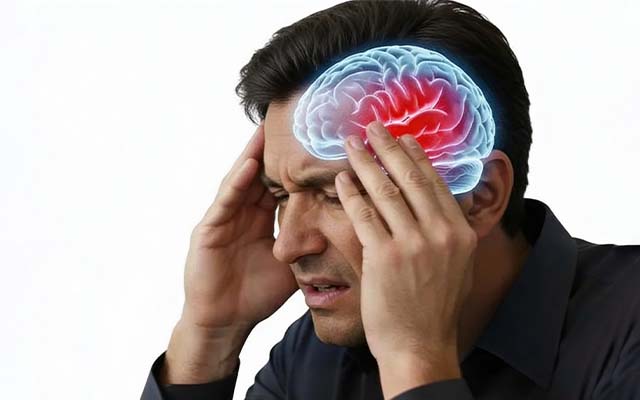
A brain tumour develops when abnormal cells grow inside the brain or nearby structures. Some remain non-cancerous and slow-growing, while others behave aggressively and require specialised medical care.
Dr Mukti Mukherjee, a highly experienced brain tumour doctor in Kolkata, specialises in advanced radiation oncology and precision-focused neurological cancer care. She strongly emphasises patient-centred treatment planning and long-term support.
Understanding the difference helps patients better interpret diagnosis, recovery expectations, long-term management, and available treatment pathways.
Let’s delve right into it.
Does Every Brain Tumour Mean Cancer?
Not All Brain Tumours Are Cancerous
No. Some brain tumours are benign, meaning they usually remain localised and develop more gradually. Others are malignant and demonstrate more aggressive cellular behaviour.
What Determines Tumour Classification?
Doctors evaluate:
- Cellular appearance
- Expansion pattern
- Degree of invasion
- Imaging characteristics
- Biopsy findings
Why Classification Matters
Identifying tumour type helps guide:
- Medical urgency
- Surgical direction
- Radiation strategy
- Future surveillance
- Prognostic expectations
Understanding Benign Brain Tumours
Benign brain tumours are non-cancerous growths that usually remain confined to one region instead of spreading into surrounding tissue.
Common Types Of Benign Brain Tumours
- Meningioma
- Pituitary Adenoma
- Acoustic Neuroma
- Craniopharyngioma
Can Benign Brain Tumours Cause Serious Problems?
Yes. Even non-cancerous abnormalities may interfere with:
- Vision
- Hormonal regulation
- Hearing
- Balance
- Cranial nerve function
When Monitoring May Be Recommended
Some individuals only require scheduled imaging surveillance when abnormalities remain stable and symptom-free over time.
Understanding Malignant Brain Tumours
Malignant brain tumours are cancerous abnormalities that can invade surrounding tissue more aggressively.
Common Types Of Malignant Brain Tumours
- Glioblastoma
- High-Grade Astrocytoma
- Medulloblastoma
- Secondary Brain Metastases
How Malignant Brain Tumours Behave
Certain cancers originate within the brain itself, while others spread from organs such as the lungs, kidneys, breast, or skin.
Why Prompt Intervention Becomes Necessary
Rapid cellular activity can increase intracranial pressure (pressure inside the skull) and disrupt important neurological pathways.
Benign vs Malignant Brain Tumours: Key Differences
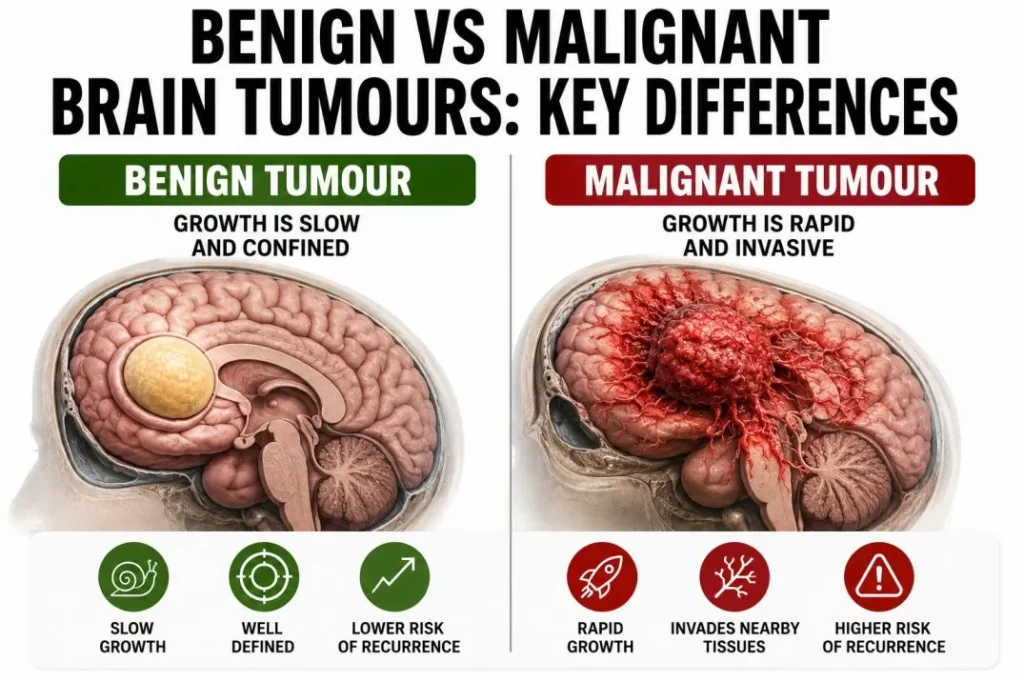
| Feature | Benign Growth | Malignant Growth |
| Cellular Nature | Non-cancerous | Cancerous |
| Progression Pattern | Usually gradual | Often rapid |
| Local Tissue Involvement | More contained | More infiltrative |
| Risk Of Return | Lower | Higher |
| Clinical Complexity | Less intensive | More advanced |
Symptoms That May Indicate A Brain Tumour
The type of symptoms experienced often depends on the affected region, pressure changes, and the extent of surrounding structural involvement.
Physical Warning Signs
Possible symptoms include:
- Persistent headaches
- Recurrent vomiting
- Difficulty maintaining balance
- Limb weakness
- Seizures
Cognitive And Behavioural Changes
Some individuals may experience:
- Memory decline
- Personality changes
- Confusion
- Reduced concentration
- Behavioural disturbance
Vision And Speech-Related Symptoms
Certain growths may also cause:
- Blurred vision
- Double vision
- Slurred speech
- Difficulty communicating
Dr Mukti Mukherjee, a trusted brain tumour doctor in Kolkata, advises a timely assessment whenever unexplained physical, behavioural, or cognitive changes continue progressively over time.
How Brain Location Influences Symptoms
Different parts of the brain regulate different body functions. As a result, the location of an intracranial growth strongly influences the type of difficulty a patient experiences.
Brain Region And Symptom Correlation
| Brain Area | Possible Effects |
| Frontal Lobe | Personality shifts, impaired communication, reduced strength |
| Temporal Lobe | Seizure episodes, memory disturbance |
| Parietal Lobe | Sensory difficulty, spatial confusion |
| Occipital Lobe | Distorted visual processing |
| Cerebellum | Unsteady movement, dizziness |
How Brain Tumours Are Diagnosed
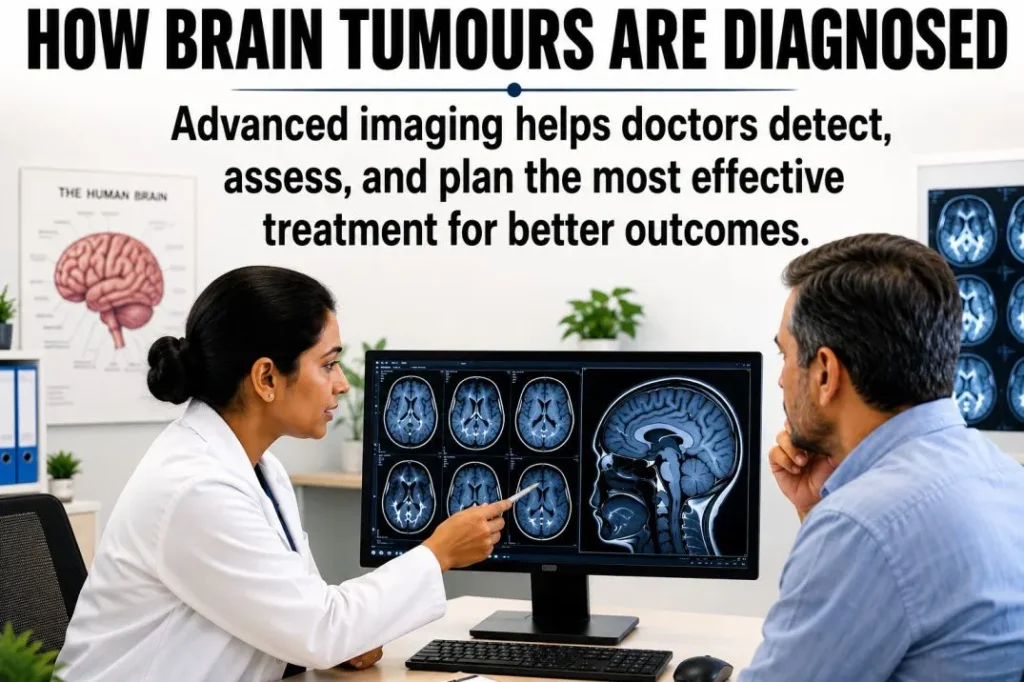
Accurate evaluation begins with a detailed clinical examination followed by specialised imaging investigations.
Imaging-Based Evaluation
Doctors may recommend:
- MRI scan
- CT imaging
- Contrast-enhanced studies
These investigations help identify positioning, pressure-related changes, and involvement of surrounding structures.
Biopsy Analysis
Laboratory examination of tissue samples may become necessary to confirm tumour characteristics.
Factors That May Increase Brain Tumour Risk
The exact cause of many intracranial tumours remains unclear. However, certain medical and environmental factors may increase susceptibility in some individuals.
Possible Risk Contributors
These may include:
- Previous exposure to ionising radiation
- Certain inherited genetic disorders
- Family history of neurological cancers
- Long-term industrial chemical exposure
- Advancing age in selected tumour categories
Many patients diagnosed with these conditions may not have any clearly identifiable risk factor.
Why Early Evaluation Matters
Certain neurological changes are initially overlooked because symptoms may appear subtle or intermittent during the early stages.
Benefits Of Prompt Medical Attention
Early medical assessment may help:
- Reduce pressure-related complications
- Improve symptom control
- Expand available care options
- Preserve functional independence
- Support better long-term outcomes
According to Dr Mukti Mukherjee, an experienced brain tumour doctor in Kolkata, delayed evaluation can sometimes allow continued intracranial progression that can further affect nearby functional pathways.
How Brain Tumours Can Affect Everyday Activities
Brain tumours may affect multiple aspects of routine functioning, depending on the affected area and the degree of structural involvement.
Common Daily Challenges
Certain individuals may experience:
- Reduced workplace performance
- Difficulty concentrating
- Driving-related safety concerns
- Physical coordination problems
- Sleep disruption
- Emotional distress
Importance Of Supportive Rehabilitation
Structured follow-up, counselling, rehabilitation guidance, and family support often help patients adapt more effectively during recovery.
Dr Mukti Mukherjee, a compassionate brain tumour doctor in Kolkata, focuses strongly on preserving quality of life alongside disease management and rehabilitation support.
Brain Tumour Treatment Options
Management strategies differ according to cellular behaviour, anatomical positioning, patient age, and overall physical condition.
Active Surveillance
Stable findings may sometimes require regular monitoring instead of immediate intervention.
Neurosurgical Removal
Surgery may help eliminate accessible abnormal tissue while reducing intracranial pressure.
Radiation Oncology
Radiation-based management helps control abnormal cellular activity using highly targeted treatment planning.
Drug-Based Therapy
Certain aggressive cancers may require medication-based systemic management.
Stereotactic Radiosurgery
This precision-focused technique delivers highly targeted radiation without the need for traditional open surgery in selected situations.
Advanced Radiation Therapy For Brain Tumours
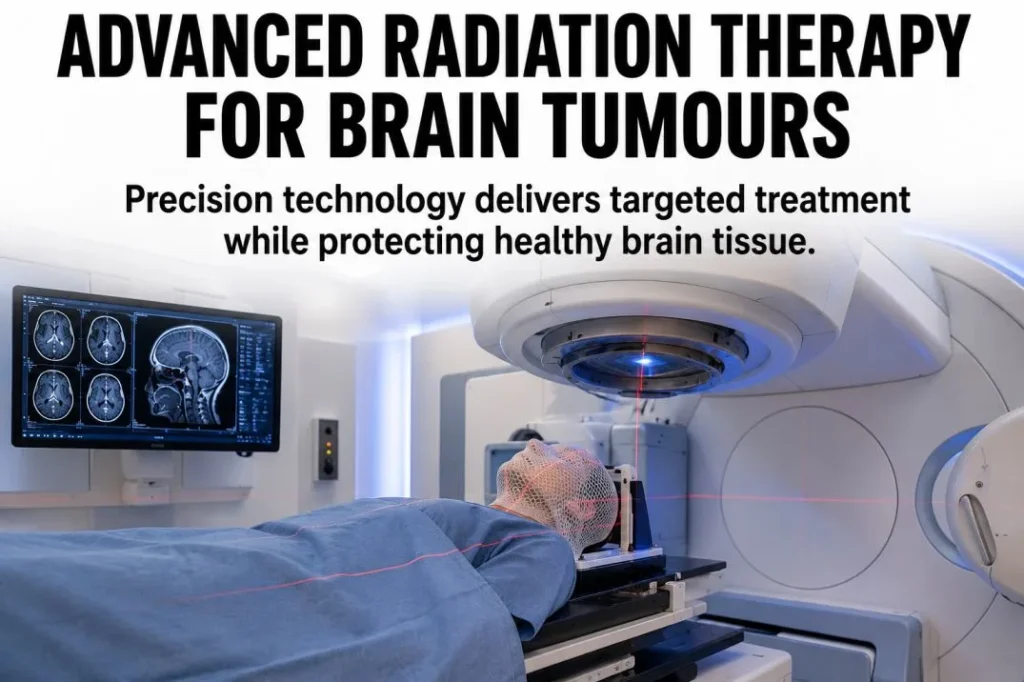
Modern radiotherapy systems have significantly improved targeting accuracy for neurological cancers.
Advanced Radiotherapy Techniques
Commonly used approaches include:
- Image-Guided Radiation Therapy (IGRT)
- Intensity-Modulated Radiation Therapy (IMRT)
- Volumetric Modulated Arc Therapy (VMAT)
- Stereotactic Radiosurgery (SRS)
- Fractionated Stereotactic Radiotherapy (FSRT)
Advantages Of Precision-Based Radiation
These technologies help minimise unnecessary exposure to nearby regions associated with:
- Speech
- Coordination
- Memory
- Visual processing
Dr Mukti Mukherjee, a leading brain tumour doctor in Kolkata, has extensive expertise in advanced radiotherapy planning designed to improve safety, precision, and long-term functional preservation.
Importance Of Multidisciplinary Care
Modern neuro-oncology frequently involves collaboration between multiple specialists to improve recovery planning and treatment decision-making.
Specialists Commonly Involved
Integrated care may involve:
- Radiation oncologists
- Neurosurgeons
- Neurologists
- Medical oncologists
- Rehabilitation specialists
- Imaging experts
Benefits Of Coordinated Medical Care
Collaborative decision-making helps improve diagnostic accuracy, therapeutic direction, and long-term patient support.
Recovery After Brain Tumour Management
Recovery timelines vary significantly because rehabilitation needs depend on the affected area, pre-treatment condition, and overall medical complexity.
Rehabilitation Support Services
Recovery programmes may include:
- Physiotherapy
- Cognitive retraining
- Occupational rehabilitation
- Speech recovery sessions
- Coordination exercises
- Long-term seizure support
Long-Term Follow-Up
Ongoing monitoring helps clinicians evaluate functional progress and identify future structural changes requiring attention.
Under the supervision of Dr Mukti Mukherjee, a respected brain tumour doctor in Kolkata, many patients receive structured long-term support focused on restoring independence and improving overall well-being.
When To Consult A Brain Tumour Doctor In Kolkata
Specialist consultation becomes important whenever unexplained neurological disturbances continue or imaging reveals suspicious abnormalities.
Symptoms That Require Immediate Evaluation
Medical attention should not be delayed in cases involving:
- Persistent head pain
- Recurrent convulsions
- Sudden movement instability
- Progressive muscular weakness
- Visual abnormalities
- Speech-related difficulty
Dr Mukti Mukherjee, with 12+ years of experience in radiation oncology and cancer care, helps patients understand diagnostic findings, treatment options, recovery expectations, and future neurological care through a personalised evidence-based approach.
For appointments and further guidance, call 081006 26463 today.
People Also Ask
Can A Brain Tumour Be Found Accidentally?
Yes. Certain abnormalities are discovered incidentally during imaging performed for unrelated injuries, dizziness, migraines, or sinus-related complaints.
Do All Brain Tumours Progress Rapidly?
No. Some remain stable for years, while others advance faster depending on their cellular characteristics.
Is Surgery Always Recommended First?
Not necessarily. Clinical decisions depend on accessibility, structural involvement, symptom severity, and overall patient fitness.
Can Younger Individuals Develop Intracranial Tumours?
Yes. These conditions may occur across multiple age groups, though some varieties are more common during specific life stages.
Can Therapy Temporarily Affect Speech Or Memory?
Certain patients may experience temporary communication or cognitive changes depending on the treated region and intensity of care.