
Anorectal Cancer
Dr. Mukti Mukherjee
[12+ Years Experience]
Radiation Oncologist In Kolkata
Home / Treatments / Gastrointestinal Cancer / Anorectal Cancer
Anorectal Cancer Doctor in Kolkata
Anorectal cancer refers to malignancy that develops in the anus, rectum, or lower digestive tract, especially in the junction where the rectum meets the anus. This cancer is relatively rare and develops when abnormal cells grow uncontrollably in the anal and rectal regions. It can have intense impacts on a patient’s quality of life if left untreated. Anorectal cancer requires specialized medical attention and precise diagnostic approaches. If you're looking for anorectal cancer treatment, consult Dr. Mukti Mukherjee, a trusted name for radiation therapy in Kolkata.
What Patients Say
Hear from our patients about their experience, care, and recovery journey.
Dr.Mukti Mukherjee(Radiation Oncology) was very kind, attentive and friendly. She listened carefully, answered all my questions, gave me guidance like a friend and made me feel at ease throughout my visit. I've never felt more comfortable. Highly recommend her!!
Dr.Mukti Mukherjee(Radiation Oncology) was incredibly kind and attentive. She listened carefully, answered all my questions, and made me feel at ease throughout my visit. I've never felt more comfortable discussing my health concerns. Highly recommend! Thank You.
Dr.Mukti Mukherjee is a very good and helpful.I pray to God bless her life.Go ahead achive your goal
I am fully satisfied with process of treatment, caring behaviour & patience to hear patients with smiling face. Dr. Mukti Mukherjee is really a good Doctor.
Mukti mam onk onk valo akjon doctor.ami amar jibona arokom doctor onk kom dakhachi uni ato valo ja amar lakhar vasa nai..amar maa ar liver cancer amadar k akjon doctor unar kacha refere kora ami jokon una k first dakhi khota boli ami to obak j arokom o doctor hoi uni ato help korachan amadar k onka k hajar bar thanks bollaw kom hoba. uni amar maa k onk mentally support korachan. ami jokoni phn kori uni khota bolan. amar maa ar ja osubida hoi uni sob sonan abon better jata hoi uni jatai koran. Thanks mam
Reach out: Your path to quality care starts here

58, Canal Circular Rd, Kadapara, Phool Bagan, Kakurgachi,
Kolkata - 700054
Let’s Talk
Symptoms

Bleeding from anus/rectum or blood in stool
Pain, discomfort, or itching around the anal area
Unusual discharge
Unexplained weight loss
Lumps, bumps, or swelling near the anus
Changes in bowel habits (diarrhea, constipation, or a feeling of incomplete bowel movements)
Difficulty controlling bowel movements
Pain in the rectum or anus
Narrow stool
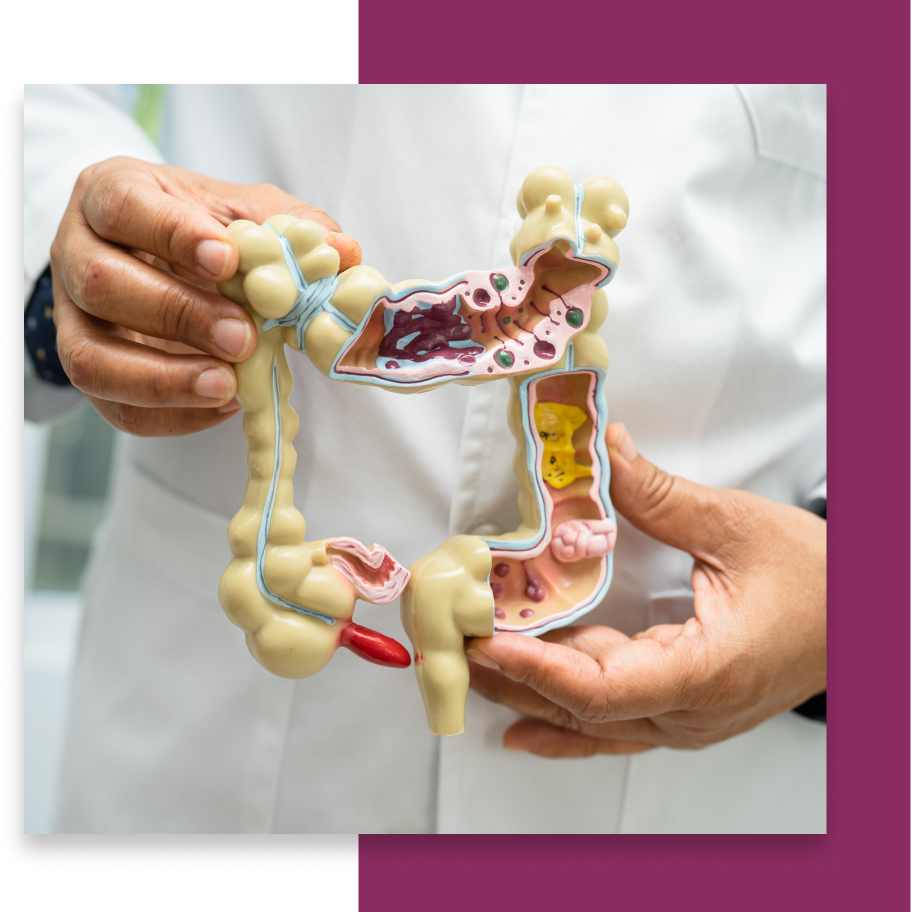
Causes

Human papillomavirus (HPV) infection

Weakened immune system, Such as in people with HIV/AIDS

Smoking increases the risk of many cancers, including anal cancer

History of certain sexually transmitted infections (STIs)

Chronic inflammatory conditions (Ulcerative colitis and Crohn's disease)

People over 50 years

Family history of anal precancerous conditions

Smoking and alcohol consumption
Evaluation
Dr. Mukti Mukherjee may perform some medical steps to diagnose anal cancer development and spread, including:
Physical examination (Pelvic Examination)
Digital rectal exam
Colonoscopy/Anoscopy/Proctoscopy
Biopsy
Endorectal Ultrasonography
Imaging tests like CT, Pelvic MRI scans, PET
Fine-Needle Aspiration Biopsy for cellular-level analysis
Stages
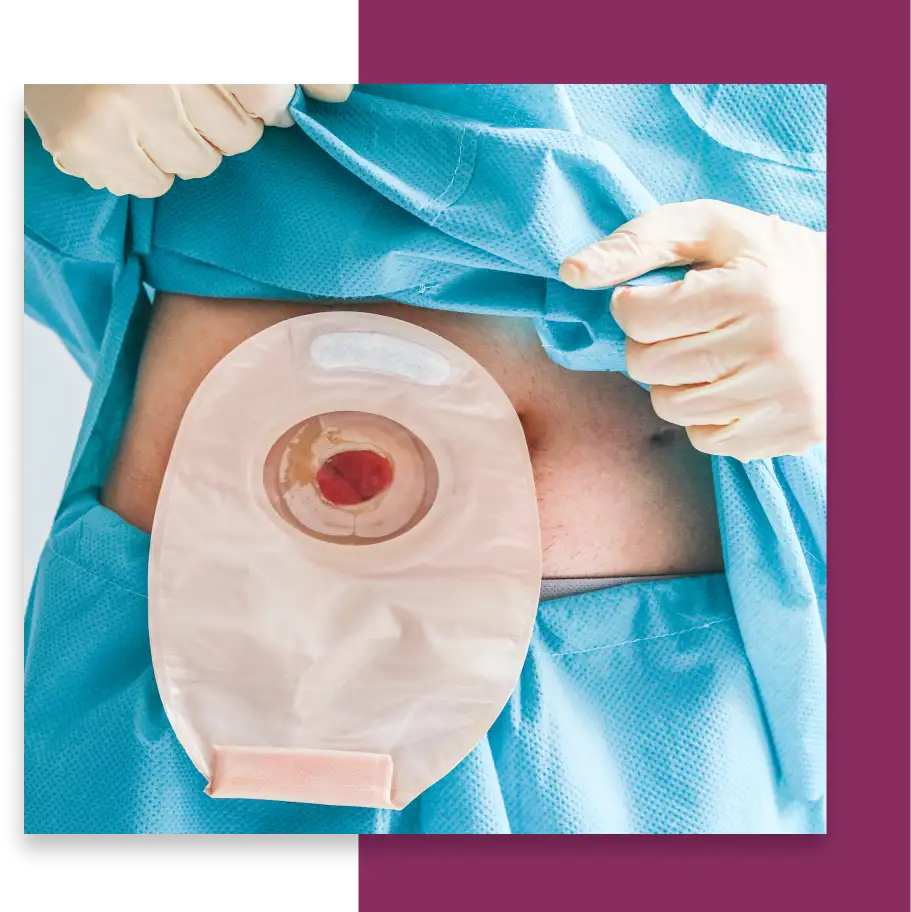
Anal and rectal cancers are staged to diagnose the spread of the disease. Staging helps doctors plan the most effective treatment. The stages range from 0 (carcinoma in situ) to 4, with stage 4 indicating that the cancer has spread to distant body parts.
Early Stage (I-II)
Locally Advanced (III)
Metastatic (IV)
Management
The best course of treatment for anorectal cancer depends on various factors, including the stage and location of the cancer and your overall health. Doctors may offer any or a combination of the below-listed treatments:
Radiation Therapy
Chemotherapy
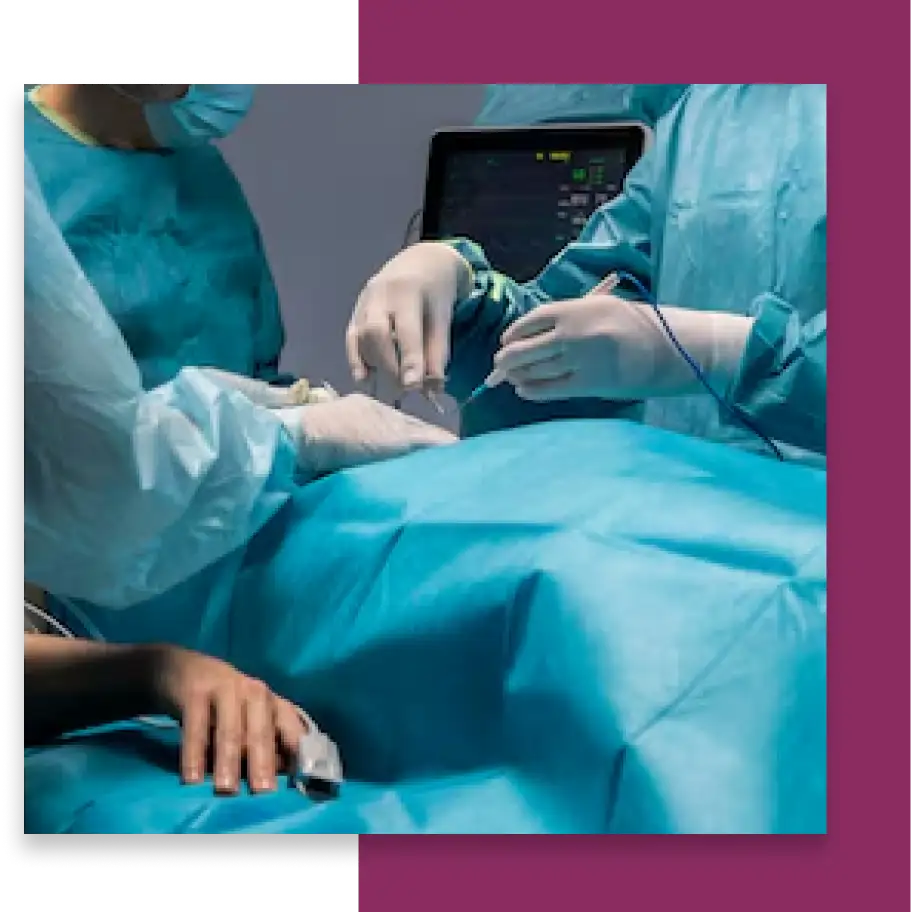
Surgery
Ablation
Why Choose Expert Care?
In Dr. Mukti Mukherjee's clinic, a team of professional healthcare experts provides:
Personalized treatment plans
Advanced diagnostic and therapeutic technologies
Comprehensive supportive care
Cutting-edge radiation therapy techniques

Frequently Asked Questions
Can anorectal cancer be cured completely?
Yes, early-stage anorectal cancer can often be cured with surgery, radiation, or combined therapies, depending on the diagnosis. Talk to your doctor for early diagnosis and medical interventions.
Who is most at risk of anal cancer?
Individuals with HPV, weakened immune systems, and those over 50 have higher exposure to anal cancer.
Is Anorectal Cancer Hereditary?
While some genetic predispositions exist, most anorectal cancers aren't directly inherited. Genetic counseling can help assess individual risk factors comprehensively. Get an appointment and discuss your concern with Dr. Mukti Mukherjee.
Will I be able to have children after radiation therapy?
Radiology treatment may affect fertility in both men and women. Discuss this with your doctor before getting treatment to explore options for preserving fertility if desired.
Does anorectal cancer cause permanent bowel issues?
Some patients may experience changes post-treatment, but medical interventions and aftercare management can help manage symptoms effectively.