
Cervical Cancer
Dr. Mukti Mukherjee
[12+ Years Experience]
Radiation Oncologist In Kolkata
Home / Treatments / Gynecologic Cancer / Cervical Cancer
Cervical Cancer Doctor in Kolkata
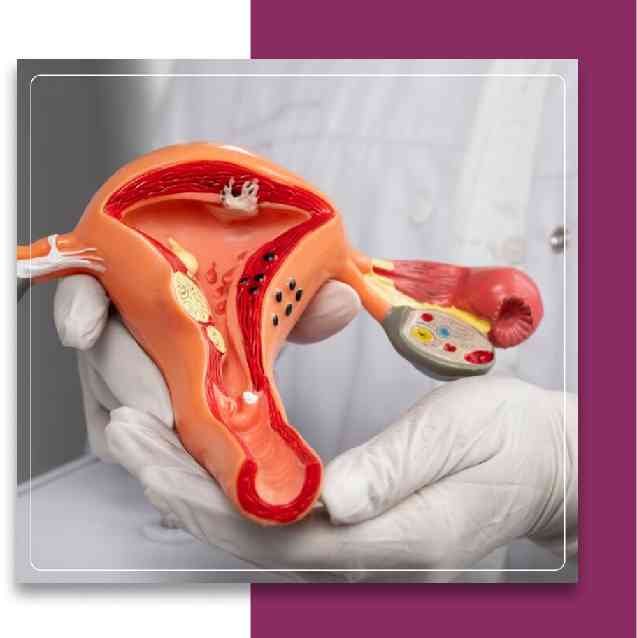
Cervical cancer develops in the cervix, the lower part of the uterus that connects to the vagina. It's often caused by stubborn infection with high-risk human papillomavirus (HPV). While it can affect women of any age, it's most common in women between the ages of 30 and 49. Routine cervical cancer screening tests are essential for early detection. If you’re looking for treatment options, get an appointment with a leading radiation oncologist, Dr. Mukti Mukherjee, for a successful cervical cancer treatment in Kolkata.
Types of Cervical Cancer

Squamous Cell Carcinoma
Represents approximately 80-90% of cervical cancers that develop in the ectocervix's (outer part of the cervix) outer cell layer.
Endocrine Pancreatic Cancer
Develops in the epithelial cells of the endocervix, responsible for 10-20% of cervical cancer.
Mixed Carcinoma
Rare, with characteristics of both squamous and glandular cancers.
What Patients Say
Hear from our patients about their experience, care, and recovery journey.
Dr.Mukti Mukherjee(Radiation Oncology) was very kind, attentive and friendly. She listened carefully, answered all my questions, gave me guidance like a friend and made me feel at ease throughout my visit. I've never felt more comfortable. Highly recommend her!!
Dr.Mukti Mukherjee(Radiation Oncology) was incredibly kind and attentive. She listened carefully, answered all my questions, and made me feel at ease throughout my visit. I've never felt more comfortable discussing my health concerns. Highly recommend! Thank You.
Dr.Mukti Mukherjee is a very good and helpful.I pray to God bless her life.Go ahead achive your goal
I am fully satisfied with process of treatment, caring behaviour & patience to hear patients with smiling face. Dr. Mukti Mukherjee is really a good Doctor.
Mukti mam onk onk valo akjon doctor.ami amar jibona arokom doctor onk kom dakhachi uni ato valo ja amar lakhar vasa nai..amar maa ar liver cancer amadar k akjon doctor unar kacha refere kora ami jokon una k first dakhi khota boli ami to obak j arokom o doctor hoi uni ato help korachan amadar k onka k hajar bar thanks bollaw kom hoba. uni amar maa k onk mentally support korachan. ami jokoni phn kori uni khota bolan. amar maa ar ja osubida hoi uni sob sonan abon better jata hoi uni jatai koran. Thanks mam
Reach out: Your path to quality care starts here

58, Canal Circular Rd, Kadapara, Phool Bagan, Kakurgachi,
Kolkata - 700054
Let’s Talk
Symptoms of Cervical Cancer
Cervical cancer, in its early stages, often shows no symptoms. As it progresses, symptoms may include:
Abnormal vaginal bleeding (between periods, after intercourse, or post-menopause).
Pelvic pain or discomfort in the lower abdomen.
Unusual vaginal discharge (watery, pink, or foul-smelling chronic white discharge).
Post-menopausal Bleeding (any bleeding after menopause).
Painful intercourse (dyspareunia indicating potential underlying issues).
Chronic low back pain.

Causes and Risk Factors

Human Papillomavirus (HPV) Infection

Weakened Immune System

Smoking

Age over 50

Multiple Sexual Partners

Early Sexual Activity

Lack of personal hygiene (especially during menstrual cycle)

History of other sexually transmitted infections (STIs), STDs like chlamydia

HIV infection
Evaluation of Cervical Cancer
Diagnosis of cervical cancer typically involves:
Gynecological examination
Pap smear test
Colposcopy
Biopsy (Punch biopsy, ECC, LEEP, Cone biopsy, Cystoscopy or proctoscopy)
MRI or CT scans, Chest X-ray, Ultrasound, PET
HPV DNA test
Pelvic exam


Management
Before deciding the treatment, Dr. Mukti Mukherjee will evaluate your health condition, age factor and capacity to heal.
Surgery
Radiation therapy (external beam and brachytherapy)
Chemotherapy
For personalized cervical cancer radiation therapy in Kolkata and post-treatment care, consult Dr. Mukti Mukherjee, a well-known radiation oncologist.


Frequently Asked Questions
What is the cervical cancer vaccine age limit?
The HPV vaccine is most effective between ages 9-14, with catch-up vaccination recommended until age 26. It can also be given up to age 45.
How frequently should screening be done?
Women aged 21-65 should undergo regular Pap smears every 3 years, or HPV tests every 5 years.
Is surgery required for cervical cancer?
No. You can get a consultation for a safe and effective radiation oncology therapy and improve your condition early without the risk of worsening.
Can I still have intercourse during radiation therapy?
It's generally safe to have intercourse during radiation therapy, but discuss any concerns with Dr. Mukti Mukherjee.
Can I get pregnant after radiation therapy?
It may be possible to get pregnant after radiation therapy, but it's important to discuss this with a specialized radiation oncology doctor.