
Prostate Cancer
Dr. Mukti Mukherjee
[12+ Years Experience]
Radiation Oncologist In Kolkata
Home / Treatments / Genito Urinary Cancer / Prostate Cancer
Prostate Cancer Doctor in Kolkata
Prostate cancer is a severe cancer condition in men that affects the prostate gland, which is vital for the male reproductive system. While it often progresses slowly, certain forms can be aggressive, spreading beyond the gland. Prostate cancer stresses the importance of early detection.
Types of Prostate Cancer

Adenocarcinoma
The most common type that originates in glandular cells.
Small Cell Carcinoma
It's a rare, aggressive variant that grows and spreads fast.
Neuroendocrine Tumors
An uncommon prostate cancer variant arises from the hormone-producing cells of the prostate.
Transitional Cell Carcinoma
This starts in the urethra (urinary tract) and extends to the prostate.
Squamous cell carcinomas
Originates in flat cells lining the prostate.

What Patients Say
Hear from our patients about their experience, care, and recovery journey.
Dr.Mukti Mukherjee(Radiation Oncology) was very kind, attentive and friendly. She listened carefully, answered all my questions, gave me guidance like a friend and made me feel at ease throughout my visit. I've never felt more comfortable. Highly recommend her!!
Dr.Mukti Mukherjee(Radiation Oncology) was incredibly kind and attentive. She listened carefully, answered all my questions, and made me feel at ease throughout my visit. I've never felt more comfortable discussing my health concerns. Highly recommend! Thank You.
Dr.Mukti Mukherjee is a very good and helpful.I pray to God bless her life.Go ahead achive your goal
I am fully satisfied with process of treatment, caring behaviour & patience to hear patients with smiling face. Dr. Mukti Mukherjee is really a good Doctor.
Mukti mam onk onk valo akjon doctor.ami amar jibona arokom doctor onk kom dakhachi uni ato valo ja amar lakhar vasa nai..amar maa ar liver cancer amadar k akjon doctor unar kacha refere kora ami jokon una k first dakhi khota boli ami to obak j arokom o doctor hoi uni ato help korachan amadar k onka k hajar bar thanks bollaw kom hoba. uni amar maa k onk mentally support korachan. ami jokoni phn kori uni khota bolan. amar maa ar ja osubida hoi uni sob sonan abon better jata hoi uni jatai koran. Thanks mam
Reach out: Your path to quality care starts here

58, Canal Circular Rd, Kadapara, Phool Bagan, Kakurgachi,
Kolkata - 700054
Let’s Talk
Symptoms
Early prostate cancer often shows minimal symptoms. You may experience minor to adverse symptoms:
Difficulty urinating (weak stream, frequent urination, hesitancy)
Blood in urine/semen (Hematuria)
Erectile dysfunction (Sexual Performance Impact)
Bone pain (if bones are involved)
Unexplained weight loss (Systemic Progression)
Pelvic discomfort
For advanced and patient-focused care, consult Dr. Mukti Mukherjee, a specialized radiology therapist in Kolkata.

Risk Factors

Advanced age (60+ years)

Lifestyle and dietary patterns

Family genetic history

Ethnicity (Higher in African-American men)

Hormonal influences

Exposed to agricultural chemicals or combustion byproducts
Evaluation
Your doctor will evaluate your present condition and the spread of the cancer cell by performing
Prostate-specific antigen (PSA) blood test
Digital rectal exam (DRE)
Transrectal ultrasound
Biopsy
MRI, CT Scans, PET scan, Bone Scan
Risk Stratification
According to tumor stage, Gleason score and serum PSA value:
Very Low Risk
Low risk
Intermediate
High Risk
Very High Risk
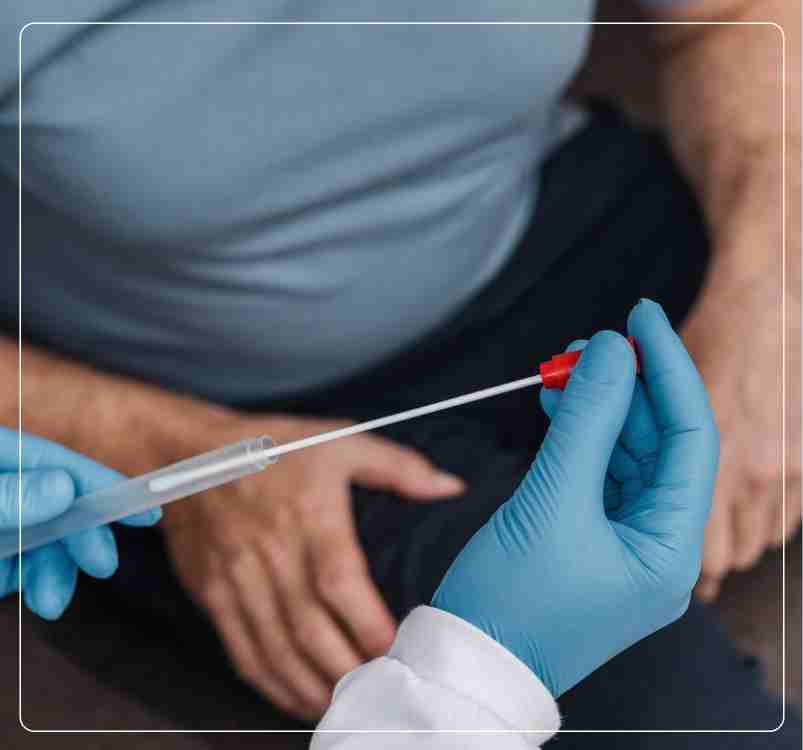
Stages
Stage I: Cancer cells are located in the prostate and treatable.
Stage II: Larger tumor but still within the prostate.
Stage III: Cancer has spread to nearby tissues or seminal vesicles.
Stage IV: Advanced cancer that affects lymph nodes, bones, or other organs.
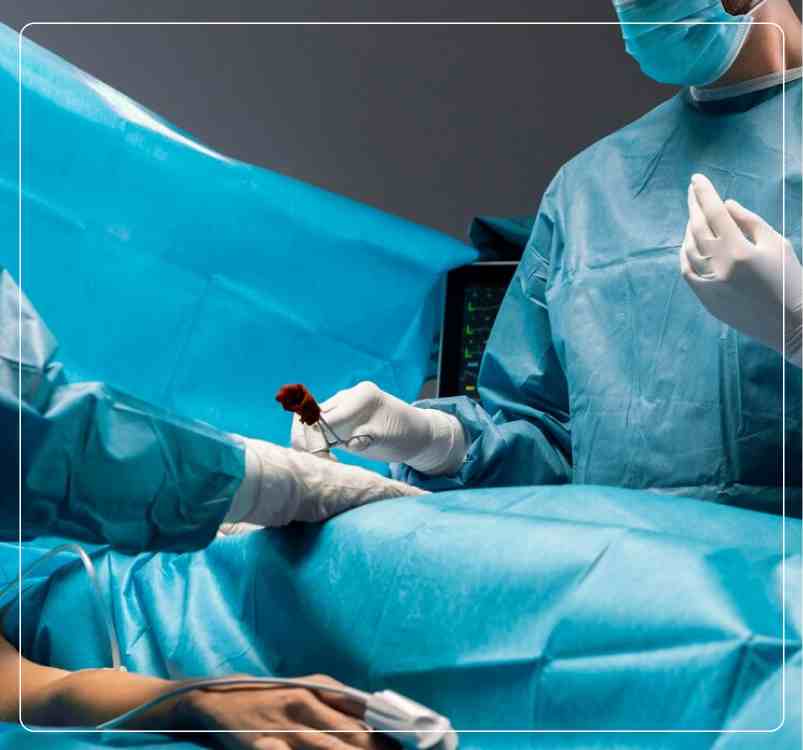
Management
Treatment options for prostate cancer vary depending on the risk category, stage and individual patient factors. Once the diagnosis is done, the doctor will determine the best treatment option for you, which may include:
Hormone Therapy
Radiation Therapy
Surgery
Chemotherapy (in metastatic disease)


Frequently Asked Questions
Is surgery always necessary?
Not always. Options like radiation therapy can address prostate cancer concerns more accurately. You should consult a doctor to assess the patient's health and determine the best course of treatment.
How effective is radiation therapy?
Radiation therapy offers high success rates for localized cancers. In some cases, especially during the advanced stage, doctors may combine radiation therapy with other treatments for more positive results.
What is the cure rate for prostate cancer?
The cure rate for prostate cancer varies depending on the stage and aggressiveness of the tumor. Early-stage prostate cancer often has a high cure rate with treatment.
Can prostate cancer grow after radiotherapy?
Radiotherapy is a highly effective and widely used treatment option for prostate cancer with high success rates. Though this is not common, prostate cancer can grow or recur after radiotherapy. Follow up with your doctor for routine monitoring.
What's the survival rate with prostate cancer?
The survival rates of localized and regional cancer are 99-100%, but with distant prostate cancer, the rate may differ at 36%. Get in touch with Dr. Mukti Mukherjee for more radiation therapy-related consultations.