
Brain Tumor
Dr. Mukti Mukherjee
[12+ Years Experience]
Radiation Oncologist In Kolkata
Home / Treatments / Brain Tumor
Brain Tumor Doctor in Kolkata
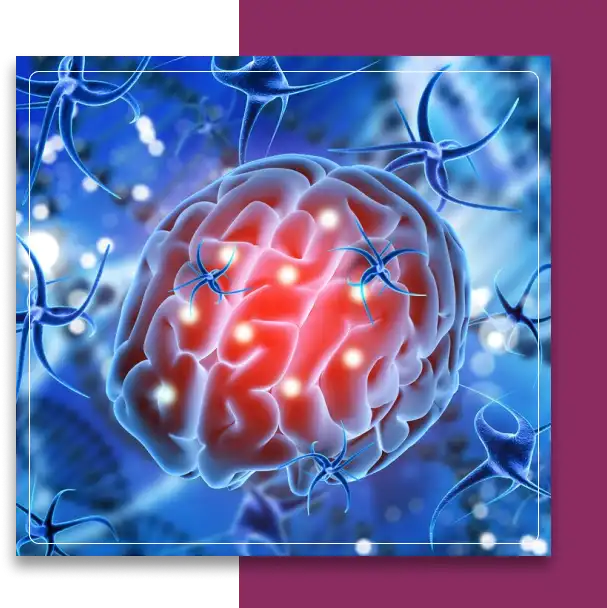
Brain tumor is a condition where cells grow abnormally within the brain's tissues. These growths can be benign (non-cancerous) or malignant (cancerous). They can disrupt normal brain functions if not treated timely. Some tumors develop from brain cells, while others spread from different body parts, including glial cells, nerve cells, and even cells that line the brain cavities.
For expert diagnosis and treatment of brain tumors, consult with Dr. Mukti Mukherjee, a specialized brain tumor radiation oncologist in Kolkata.
Types of Brain Tumor
Benign Brain Tumors

Primary Tumors
Originate directly in brain tissue.
Meningiomas
These non-cancerous tumors grow from the meninges, the membranes that cover the brain and spinal cord.
Acoustic Neuromas
These tumors develop on the eighth cranial nerve, which controls hearing and balance.
Schwannoma
A tumor growing from Schwann cells, the cells that insulate nerves in the head and neck.
Pituitary adenoma
A tumor that develops within the pituitary gland, at the base of the brain.
Pineocytoma
A slow-growing tumor that originates in the pineal gland and typically found in adults.
Arterio-Venous Malformation (AVM)
A condition where abnormal blood vessels tangle in the brain that can rupture and cause bleeding.
Malignant Brain Tumors
Malignant brain tumors grow aggressively and invade healthy brain tissue. These require urgent treatment like surgery, radiation therapy and, in some cases, chemotherapy.
Secondary Tumors
Metastatic tumors that spread from other body parts.
Gliomas
These are the most common types of brain tumors that stem from glial cells, which support nerve cells.
Astrocytoma
These are the most common types of glioma. They form in star-shaped glial cells called astrocytes and often surface in the cerebrum.
Oligodendroglioma
These rare tumors start in cells that create myelin, the insulating layer around brain nerves.
Glioblastoma
The fastest-growing astrocytoma that develops in astrocytes. It's severe and requires immediate treatment.
Medulloblastoma
Another type of cancerous brain tumor rapidly grows at the skull base.
Ependymomas
Found near the brain's ventricles, these tumors develop from ependymal cells (radial glial cells).
What Patients Say
Hear from our patients about their experience, care, and recovery journey.
Dr.Mukti Mukherjee(Radiation Oncology) was very kind, attentive and friendly. She listened carefully, answered all my questions, gave me guidance like a friend and made me feel at ease throughout my visit. I've never felt more comfortable. Highly recommend her!!
Dr.Mukti Mukherjee(Radiation Oncology) was incredibly kind and attentive. She listened carefully, answered all my questions, and made me feel at ease throughout my visit. I've never felt more comfortable discussing my health concerns. Highly recommend! Thank You.
Dr.Mukti Mukherjee is a very good and helpful.I pray to God bless her life.Go ahead achive your goal
I am fully satisfied with process of treatment, caring behaviour & patience to hear patients with smiling face. Dr. Mukti Mukherjee is really a good Doctor.
Mukti mam onk onk valo akjon doctor.ami amar jibona arokom doctor onk kom dakhachi uni ato valo ja amar lakhar vasa nai..amar maa ar liver cancer amadar k akjon doctor unar kacha refere kora ami jokon una k first dakhi khota boli ami to obak j arokom o doctor hoi uni ato help korachan amadar k onka k hajar bar thanks bollaw kom hoba. uni amar maa k onk mentally support korachan. ami jokoni phn kori uni khota bolan. amar maa ar ja osubida hoi uni sob sonan abon better jata hoi uni jatai koran. Thanks mam
Reach out: Your path to quality care starts here

58, Canal Circular Rd, Kadapara, Phool Bagan, Kakurgachi,
Kolkata - 700054
Let’s Talk
Symptoms of Brain Tumor
Uncontrolled headaches
Visual disturbance like double vision
Unexplained nausea or vomiting
Seizures
Weakness in limbs
Balance and coordination problems
Bladder bowel control dysfunction
Personality or cognitive changes, memory disturbance
Speech difficulties

Evaluation of Brain Tumor
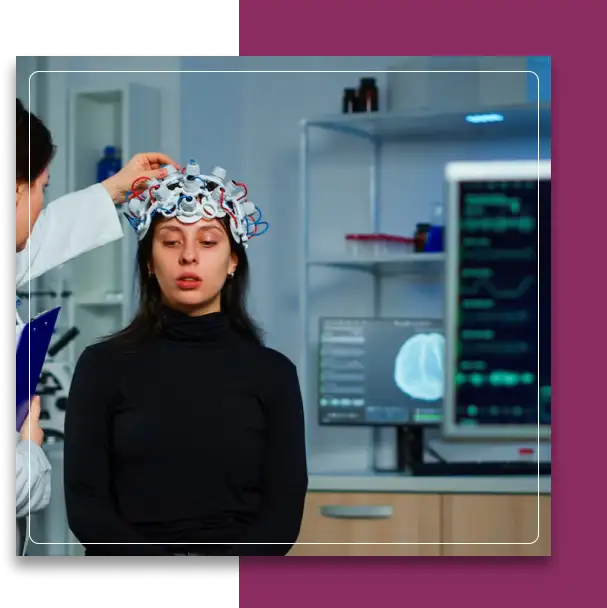
If you consult for brain tumor treatment in Kolkata, Dr. Mukti Mukherjee may follow diagnosis approaches, including:
Neurological Examination
A thorough examination of neurological function, including reflexes, sensation, and coordination.
Imaging Tests
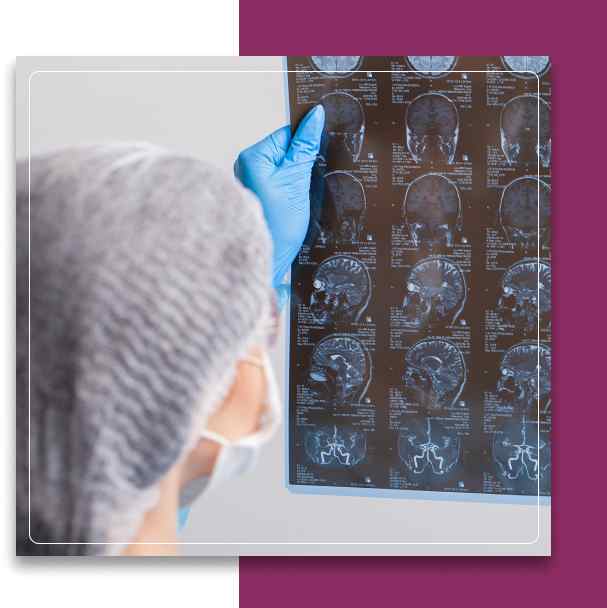
MRI (magnetic resonance imaging) and CT (computed tomography) scans to visualize the brain and detect tumors.
Biopsy
A small tissue sample from the tumor is examined under a microscope.
Treatment Options for Brain Tumor
Brain tumor treatment options depend on the type, size, and location of the tumor, as well as the patient's overall health. Some major treatment approaches include:
Surgical intervention
Radiation therapy
Chemotherapy
The doctor will evaluate your tumor type, location, overall health, age, and medical history to determine whether radiation therapy or a combination of treatments will be suitable for your condition. Dr. Mukti Mukherjee determines the specific type of radiation therapy and personalized treatment plans based on the individual patient's needs.


Frequently Asked Questions
Are all brain tumors cancerous?
No, many brain tumors are benign. You should consult your doctor early to get it detected.
Can a brain tumor return after removal?
Yes, some tumors might recur and need ongoing monitoring with further treatment.
Can radiation therapy have long-term effects?
Generally, radiation oncology treatment is safe and effective; you may experience temporary fatigue, cognitive changes, and hormonal imbalances.
Can a brain tumor cause vision problems?
Yes, vision changes are common symptoms of brain tumors caused by pressure on the optic nerves.
What are the survival rates for brain tumors?
Survival rates vary depending on the type, location, grade of the tumor, individual patient health factors, and specific circumstances. Malignant brain tumors typically have lower survival rates compared to benign tumors.