
Breast cancer treatment decisions can feel overwhelming. Dr. Mukti Mukherjee, a radiation oncologist, helps patients choose the right therapy for their condition. In this blog, we will explore radiation therapy in early-stage breast cancer. You will learn how it works, its benefits, risks, and recovery. By the end, you will feel more confident about making informed choices.
Understanding Early-Stage Breast Cancer and Treatment Options
Early-stage breast cancer means the tumour is small and localised. Doctors often combine surgery, radiation, and sometimes hormone therapy. Treatment depends on the stage, tumour type, and patient health.
Lumpectomy is common in early cases. It removes the tumour while saving most breast tissue. Post-surgery radiation therapy for breast cancer reduces recurrence risk. Mastectomy is another option, but it may not always be necessary.
Radiation therapy for early-stage breast cancer ensures local control. Patients often achieve long-term survival with minimal recurrence. Treatment decisions always consider both effectiveness and quality of life.
What Is Radiation Therapy and How Does It Work?
Radiation therapy uses high-energy beams to destroy cancer cells. It targets specific areas where cancer might remain after surgery.
The process is simple but highly precise. A radiation oncologist designs a tailored plan. Machines deliver radiation only to the affected area.
Radiation therapy treatment options for breast cancer include external beam radiation and brachytherapy. External beam radiation is most common. It directs energy beams from outside the body.
Brachytherapy places radioactive sources inside the breast temporarily. Doctors choose the method based on cancer size and location. Both approaches aim to kill hidden cancer cells without harming healthy tissues.
Benefits of Radiation Therapy After Lumpectomy
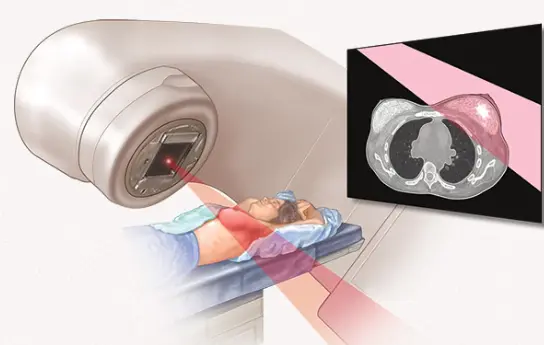
Radiation after lumpectomy lowers recurrence risk significantly. This is one of the benefits of radiation therapy after lumpectomy.
It also preserves breast appearance and function. Many women prefer this combined approach instead of a mastectomy. Radiation therapy ensures long-term disease-free survival in early breast cancer.
The treatment is outpatient-based. Patients can continue daily activities with minimal disruption. Most women report improved quality of life compared to aggressive surgeries.
Short-Course Radiation Therapy: A Viable Option?
Short-course radiation therapy for breast cancer is gaining popularity. It delivers higher daily doses over a shorter period.
Traditional radiation lasts five to six weeks. Short-course therapy can finish within three weeks. Research shows equal effectiveness for early-stage breast cancer.
This method saves time and reduces hospital visits. Many patients prefer it due to convenience. It also decreases financial and emotional burden.
Doctors may recommend it based on tumour size, patient age, and recovery potential. It is safe, effective, and widely accepted.
Side Effects and Risks of Radiation Therapy
Like all treatments, radiation carries risks. Side effects of radiation therapy in breast cancer include skin redness, swelling, and fatigue.
Some patients experience breast firmness or changes in skin texture. Rarely, there may be heart or lung effects if the radiation fields are close.
Doctors manage side effects with medications, skincare routines, and close follow-up. Most side effects resolve within weeks after treatment ends.
Understanding risks helps patients prepare mentally and physically. Open communication with the radiation oncologist ensures proper management.
Comparing Radiation Therapy and Mastectomy
Choosing between lumpectomy plus radiation or mastectomy is difficult. Radiation therapy vs mastectomy in early breast cancer is a common discussion.
Both offer similar survival outcomes in early stages. Lumpectomy plus radiation allows breast preservation. Mastectomy eliminates the entire breast but often avoids radiation.
Radiation therapy provides a balance between survival and body image preservation. A radiation oncologist can guide patients based on medical and personal factors.
Patients should weigh risks, benefits, and lifestyle impact. Each choice depends on individual needs, not just medical statistics.
Guidelines and Recommendations for Radiation Therapy
Doctors follow strict radiation therapy guidelines for early-stage breast cancer. These include when to start treatment and how much dose is required.
Guidelines recommend radiation for almost all lumpectomy patients. Some older patients with very small tumours may skip radiation.
Radiation therapy effectiveness in early breast cancer is proven through decades of research. Survival rates and recurrence prevention make it a vital treatment step.
Your radiation oncologist will follow evidence-based protocols. This ensures both safety and maximum benefit for long-term outcomes.
Recovery and Aftercare Post-Radiation Therapy
Radiation therapy recovery after breast cancer surgery is usually smooth. Most patients return to normal activities quickly.
Doctors recommend gentle exercises to maintain breast flexibility. Healthy diet, hydration, and skincare also help recovery.
Follow-up visits track healing and detect any late effects. Support groups and counselling often help patients emotionally.
Recovery focuses on restoring energy and quality of life. Most women feel stronger within weeks after treatment completion.
Patient Experiences and Testimonials
Name: Mrs Ananya Sinha
Age: 46
Concern: Early-stage breast cancer diagnosed after a routine screening
Treatment: Lumpectomy followed by radiation therapy under Dr Mukti Mukherjee
Mrs Ananya Sinha, a 46-year-old, faced a life-changing moment when she was diagnosed with early-stage breast cancer. Initially, fear and uncertainty clouded her mind. But, her medical team guided her toward breast-conserving surgery followed by radiation therapy.
Her treatment journey began with a lumpectomy. To reduce the risk of recurrence, her surgeon referred her to Dr Mukti Mukherjee, a highly regarded radiation oncologist. From the very first consultation, Dr Mukherjee’s calm and compassionate approach reassured Mrs Sinha. She explained every step of the radiation therapy process in simple, clear language. This transparency gave her the confidence to proceed without hesitation.
Over the course of her short-course radiation therapy, Mrs Sinha felt deeply supported by Dr Mukherjee and his team. Each session was well-planned, comfortable, and adjusted to her personal needs. She was able to continue her daily teaching work with minimal disruption. Her side effects were manageable and quickly resolved with the guidance Dr Mukherjee provided.
Most importantly, she appreciated the personalised care and attention she received. Dr Mukherjee not only focused on treatment but also on her emotional well-being. Her encouragement helped her maintain a positive outlook throughout her recovery.
Today, Mrs Sinha is cancer-free and back to living a full, active life. She credits her successful recovery to timely detection and the expert guidance of Dr Mukti Mukherjee. She continues to share her story to inspire other women to prioritise screenings and to trust skilled specialists.
Final Thoughts: Making an Informed Decision
Radiation therapy offers excellent outcomes in early breast cancer. It balances survival, breast preservation, and quality of life. Dr. Mukti Mukherjee, a skilled radiation oncologist ensures personalised care.
Consult a Radiation Oncologist
If you or a loved one faces early breast cancer, consult an expert- Dr Mukti Mukherjee, an experienced radiation oncologist in Kolkata, provides advanced and compassionate treatment. Take the step toward informed healing today with Dr Mukti Mukherjee.
FAQs About Radiation Therapy for Early-Stage Breast Cancer
Q1. How effective is radiation therapy for early breast cancer?
Radiation therapy effectiveness in early breast cancer is very high. It reduces recurrence and improves survival significantly.
Q2. Can I choose short-course radiation therapy?
Yes, short-course radiation therapy for breast cancer is safe and effective. Your doctor will decide if it suits your case.
Q3. What are the common side effects of radiation therapy?
Side effects of radiation therapy in breast cancer include fatigue and skin changes. Most resolve after treatment ends.
Q4. Do I need radiation if I had a mastectomy?
Not always. Radiation therapy vs mastectomy in early breast cancer depends on tumour features. Your radiation oncologist will guide you.
Q5. What helps with recovery after radiation therapy?
Radiation therapy recovery after breast cancer surgery includes good nutrition, skincare, and exercise. Regular follow-ups ensure smooth healing.