
Stomach pain is something almost everyone experiences from time to time — after a heavy meal, during a stomach bug, or simply from stress. But when abdominal pain becomes frequent, unexplained, or persistent, it's natural to wonder whether it could be something more serious, like colon cancer.
While most stomach pain has harmless causes, colon cancer symptoms can sometimes be mistaken for everyday digestive discomfort in their early stages. Understanding what colon cancer pain feels like, what other warning signs to watch for, and when to see a doctor can make a real difference in early diagnosis and treatment outcomes.
What Is Colon Cancer and Why Does It Cause Stomach Pain?
How Colon Cancer Develops in the Digestive Tract
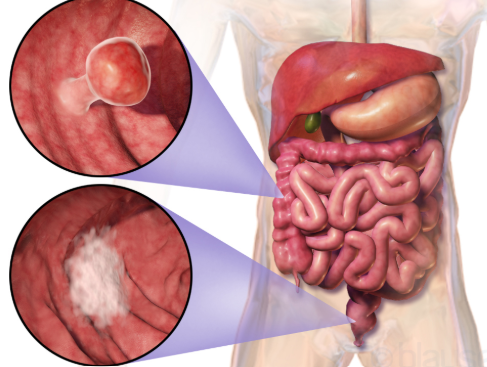
Colon cancer begins when abnormal cells grow uncontrollably in the lining of the colon or rectum, often starting as small growths called polyps. Over time, some polyps can turn cancerous if they aren't detected and removed. As the tumour grows, it can affect how the colon functions, leading to digestive changes and discomfort.
Why Abdominal Pain Occurs as the Disease Progresses
As colon cancer symptoms progress, a growing tumour can partially block the intestine, disrupt normal digestion, or press against nearby tissues and nerves. This is what often causes the abdominal pain, cramping, and bloating associated with the condition. In more advanced stages, pain may become more constant as the tumour affects surrounding organs.
What Does Colon Cancer Stomach Pain Actually Feel Like?
Location and Nature of the Pain
Colon cancer pain is often described as a persistent cramping or dull ache in the lower abdomen, though its exact location can vary depending on which part of the colon is affected. Many people also report bloating, a feeling of fullness, or discomfort that doesn't fully go away after using the bathroom.
How It Differs from Indigestion, Gas, or IBS Pain
Ordinary indigestion or gas pain usually comes and goes, often triggered by specific foods, and resolves within a day or two. Colon cancer stomach pain, on the other hand, tends to be more persistent, doesn't have an obvious trigger, and is frequently accompanied by other changes in bowel habits. If your pain lasts for several weeks without a clear cause, it's worth getting evaluated rather than assuming it's routine digestive trouble.
What Are the Other Warning Signs of Colon Cancer Besides Stomach Pain?
Stomach pain alone rarely confirms colon cancer — it's usually one of several signs that appear together. Some of the most common colon cancer symptoms include:
Changes in Bowel Habits
Persistent diarrhoea, constipation, or a noticeable change in stool consistency that lasts more than a few weeks can be an early indicator. Some people also feel like their bowel doesn't empty, even after a bowel movement.
Blood in Stool or Rectal Bleeding
Blood in the stool — whether bright red or darker in colour — is one of the most important colon cancer warning signs and should never be ignored, even if it seems minor.
Unexplained Weight Loss and Fatigue
Sudden, unintentional weight loss combined with ongoing fatigue can indicate that the body is responding to an underlying illness, including colon cancer. This is especially significant when it occurs alongside digestive symptoms.
When Should Stomach Pain Worry You?
Duration and Frequency Red Flags
Occasional stomach pain is usually nothing to worry about. However, if your pain lasts longer than two to three weeks, keeps recurring, or is gradually getting worse, it's a signal that something beyond typical indigestion may be happening.
Symptoms That Need Immediate Medical Attention
You should consult a doctor promptly if stomach pain is accompanied by any of the following:
- Blood in stool or rectal bleeding
- Unexplained weight loss
- Persistent changes in bowel habits
- Severe bloating or a feeling of intestinal blockage
- Constant fatigue or weakness
These combinations of symptoms warrant a proper medical evaluation rather than self-diagnosis.
Who Is at Higher Risk of Colon Cancer?
Age and Family History
Colon cancer risk increases with age, particularly after 45–50 years, though cases in younger adults are rising. A family history of colon cancer or inherited genetic conditions can also significantly increase your risk.
Lifestyle Factors
A diet high in red or processed meat, low fibre intake, smoking, excessive alcohol consumption, obesity, and a sedentary lifestyle are all recognised colon cancer risk factors. Making healthier lifestyle choices can meaningfully lower your overall risk.
Pre-Existing Conditions
People with inflammatory bowel disease (such as Crohn's disease or ulcerative colitis) or a history of colorectal polyps face a higher likelihood of developing colon cancer and should be monitored more closely by their doctor.
How Is Colon Cancer Diagnosed?
Colonoscopy and Imaging Tests
A colonoscopy remains the gold standard for detecting colon cancer, allowing doctors to directly examine the colon lining and remove suspicious polyps for biopsy. Additional tests such as CT scans, blood tests, and stool-based screening tests may also be used to support diagnosis and determine the cancer's stage.
Role of Early Screening in Diagnosis
Routine screening — even without symptoms — is one of the most effective ways to catch colon cancer early, when it's most treatable. Many colon cancers develop silently over several years, which is why regular check-ups matter more than waiting for symptoms to appear.
How Is Colon Cancer Treated?
Treatment depends on the stage and location of the cancer but typically involves a combination of surgery, chemotherapy, and radiation therapy. In early stages, surgical removal of the tumour may be sufficient, while more advanced cases often require a combined treatment approach. Patients seeking specialised care can explore colon cancer treatment in Kolkata for a personalised evaluation and treatment plan.
How Can You Reduce Your Risk of Colon Cancer?
Diet and Lifestyle Changes
Increasing fibre intake, reducing processed meat consumption, staying physically active, maintaining a healthy weight, and avoiding smoking and excessive alcohol can all help lower your risk over time.
Importance of Regular Screening After Age 45
Doctors generally recommend colon cancer screening starting at age 45 for average-risk individuals, and earlier for those with a family history or other risk factors. Early detection through screening significantly improves treatment outcomes and survival rates.
If you're experiencing ongoing digestive symptoms alongside stomach pain, it may also be worth learning more about broader gastrointestinal cancer care options available to you.
Frequently Asked Questions
Is stomach pain always a sign of colon cancer?
No. Most stomach pain is caused by common issues like indigestion, gas, or minor infections. Colon cancer is a less common cause, but persistent or unexplained pain should still be evaluated.
Where exactly does colon cancer pain occur?
It typically occurs in the lower abdomen, though the exact location can vary depending on which section of the colon is affected.
Can colon cancer cause pain without any bleeding?
Yes. Not everyone with colon cancer experiences visible bleeding, especially in the earlier stages, which is why other symptoms and screening matter.
How long does colon cancer stomach pain last before diagnosis?
This varies widely between individuals, but persistent pain lasting several weeks without an obvious cause should prompt a medical check-up.
What age should you start worrying about colon cancer symptoms?
While risk increases after 45, colon cancer can occur in younger adults too, so persistent symptoms shouldn't be dismissed regardless of age.
Can stress or diet cause colon cancer-like symptoms?
Yes, stress and certain foods can cause bloating, cramping, and bowel changes similar to early colon cancer symptoms, which is why proper evaluation is important to rule out serious causes.
Is colon cancer curable if caught early?
Yes, colon cancer detected at an early stage has significantly higher treatment success rates, which is why regular screening is so important.
What tests confirm colon cancer after symptoms appear?
A colonoscopy with biopsy is the primary diagnostic tool, often supported by imaging scans and blood tests.
Does colon cancer pain get worse after eating?
Some people report increased discomfort or bloating after meals, though this isn't universal and can also occur with many other digestive conditions.
How is colon cancer pain different from stomach ulcer pain?
Ulcer pain is often linked to eating patterns and may improve with antacids, while colon cancer pain tends to be more persistent and is usually accompanied by bowel habit changes or bleeding.
Conclusion — When to See a Doctor
Occasional stomach pain is a normal part of life, but persistent, unexplained abdominal discomfort — especially alongside bleeding, weight loss, or changes in bowel habits — should never be ignored. Early evaluation can help identify the cause quickly and, if needed, allow for timely treatment.
If you've been experiencing ongoing symptoms, don't wait for them to worsen. Consult Dr. Mukti Mukherjee, Radiation Oncologist, for expert guidance on your symptoms and next steps. You can book a consultation for cancer screening today and take the first step toward peace of mind and proactive care.