
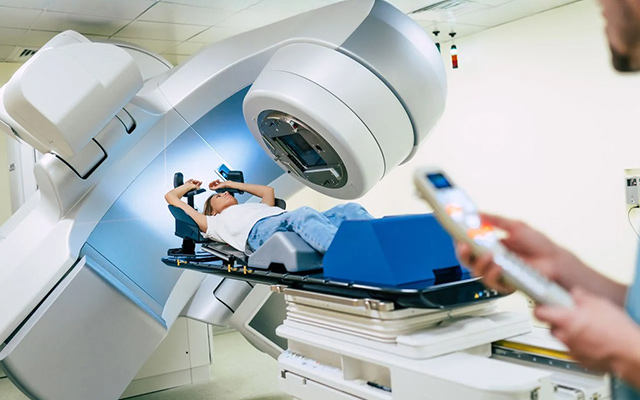
When someone in your family hears the word “cancer,” the world suddenly feels heavy.
The mind fills with questions — Will I recover? Will treatment be painful? Will my family manage?
For many Kolkatans, this moment brings confusion and fear. You may have heard that radiation and surgery are both common treatments, but which one is truly better?
If you are searching for clear answers or a radiation oncologist in Kolkata who explains things in simple, human terms, this article is for you and your loved ones.
Understanding the Basics — What Happens in Cancer Treatment?
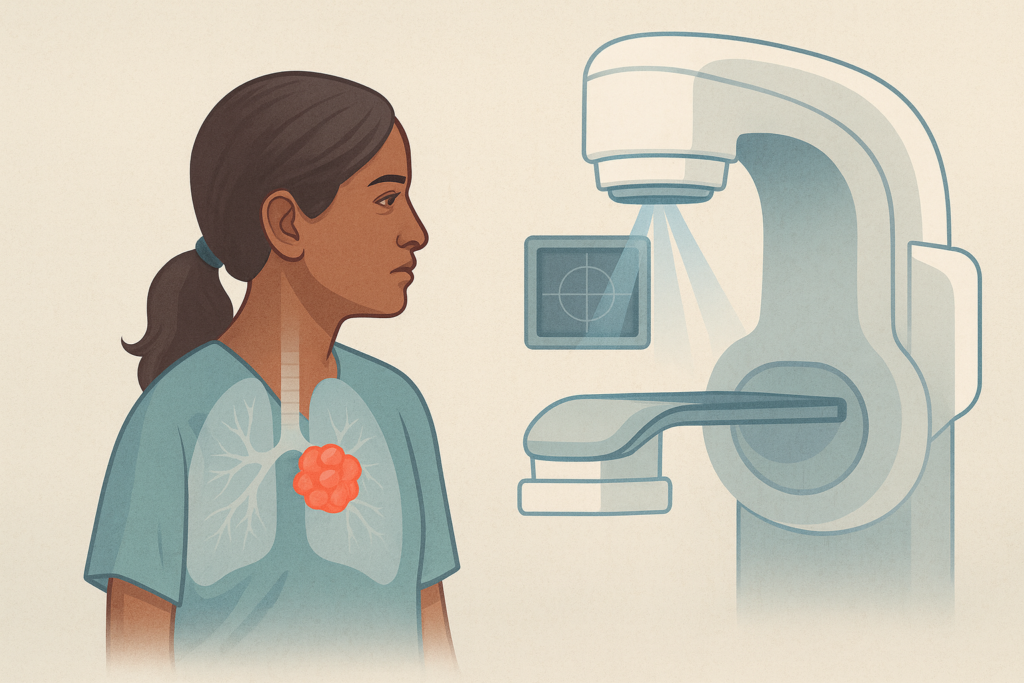
Cancer starts when certain cells in our body grow uncontrollably. It can happen anywhere — in the breast, cervix, prostate, or even the head and neck region. The good news is that with early diagnosis and proper care, most cancers today can be treated effectively.
Two of the most common treatments used are ‘surgery’ and ‘radiation therapy’.
- Surgery involves removing the tumour physically through an operation.
- Radiation therapy uses controlled doses of high-energy rays to destroy cancer cells without cutting the body open.
Many people in Kolkata still associate cancer treatment with painful surgery, long recovery, and visible scars.
But modern medicine has changed — especially with specialists like Dr Mukti Mukherjee. She has made radiation therapy for cancer far safer, more precise, and more effective than ever before.
Why Modern Treatments Are Changing Lives
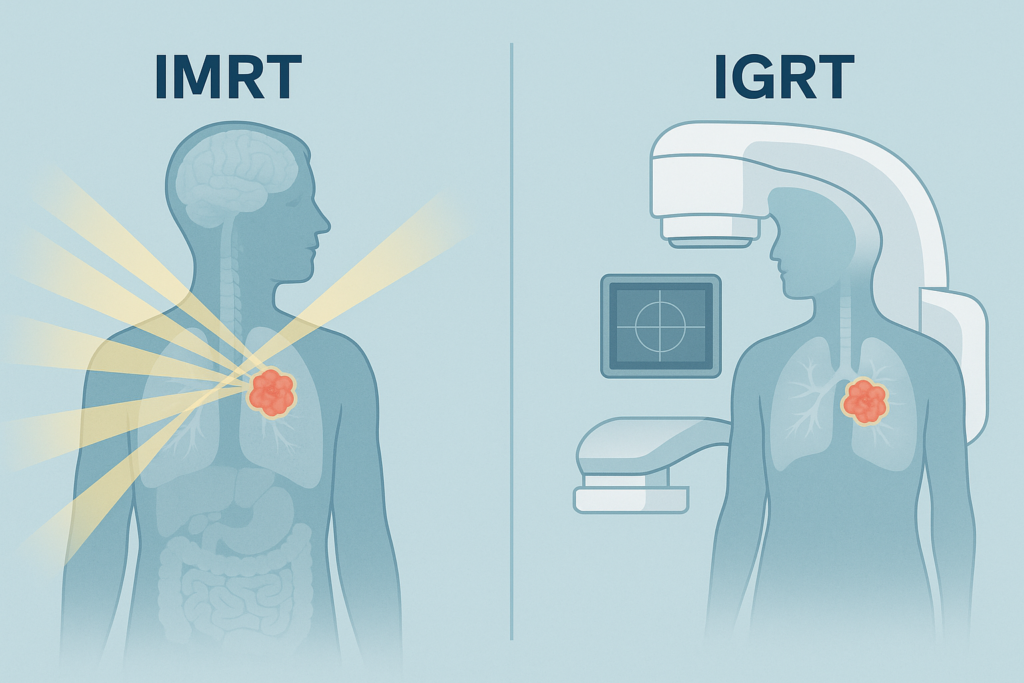
In the past, treatment options were limited and often harsh. But today, radiation therapy has advanced in ways that most people don’t even realise.
Machines can now target cancer cells exactly where they are — leaving healthy tissues almost untouched.
Advanced radiation methods include –
- IMRT (Intensity-Modulated Radiation Therapy)
- And IGRT (Image-Guided Radiation Therapy)
Both have significantly improved success rates for breast, cervical, prostate, and head & neck cancers.
Dr Mukti Mukherjee, with over 12 years of experience in radiation oncology, uses these very techniques to ensure her patients heal faster, with less pain, fewer side effects, and a quicker return to normal life.
Radiation Therapy vs Surgery for Cancer in Kolkata
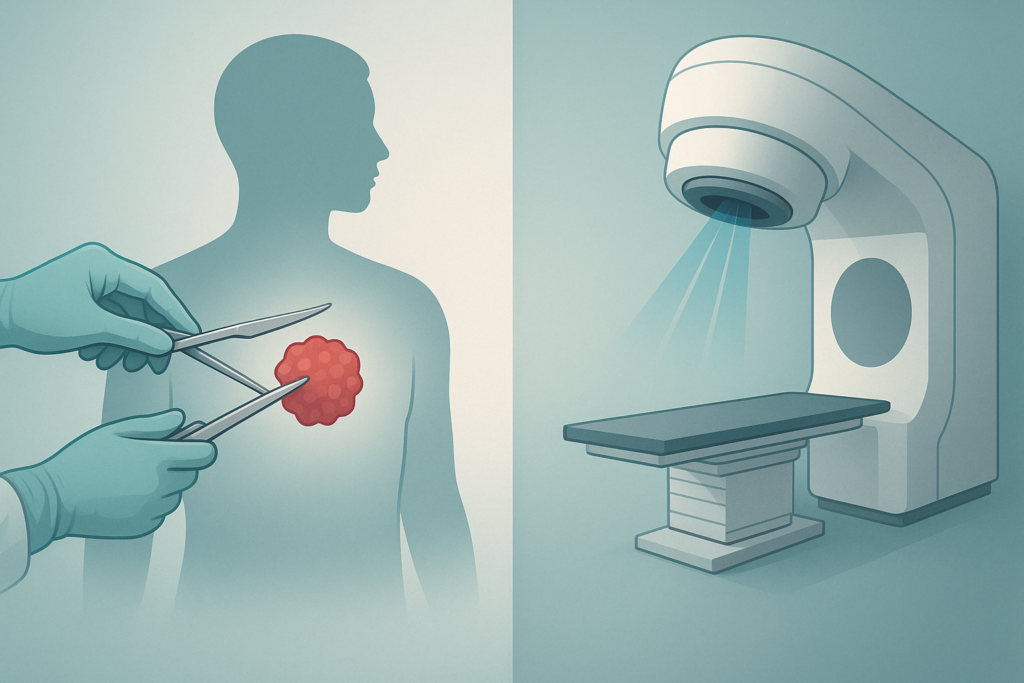
Here’s a simple comparison to help you understand both approaches:
| Aspect | Radiation Therapy | Surgery |
| Invasiveness | Non-invasive (no cuts or stitches) | Invasive (requires operation) |
| Recovery Time | Shorter, can resume daily life faster | Longer, depending on wound healing |
| Pain Level | Minimal, mostly fatigue or mild skin irritation | Moderate to high post-operative pain is common |
| Scarring | None | Possible, depending on the surgery site |
| Hospital Stay | Often outpatient treatment | Usually requires hospitalisation |
| When It’s Used | Early-stage cancers or combined with other treatments | When the tumour can be safely removed physically |
In cities like Kolkata, where daily life is fast-paced and families depend deeply on one another, many patients prefer radiation because it allows them to stay active and emotionally stable during treatment.
When Is ‘Radiation Better’ Than Cancer Surgery?
Not every cancer needs to be cut out. Radiation can often do the job alone — especially when the cancer is localised, small, or near vital organs, where surgery might cause harm.
Examples where radiation may be preferred:
- Breast cancer: When surgery may affect body image or recovery.
- Cervical cancer: Often treated effectively with a combination of radiation and chemotherapy.
- Prostate cancer: Radiation can target the tumour while preserving sexual and urinary functions.
- Head & neck cancers: When surgery may impact speech or swallowing.
Each case is unique. That’s why it’s important to consult a specialist like Dr Mukti Mukherjee, who carefully evaluates whether radiation or surgery will give the best possible outcome for your condition.
How Advanced Radiation Therapy Works
Many people in Kolkata still imagine radiation therapy as “rays that burn the body.” This is a huge misconception.
Modern advanced radiation therapy for cancer in Kolkata is precise, safe, and designed to minimise side effects. Here’s how:
| Step | What Happens | Patient Experience |
| Planning | Scans and imaging to map the exact tumour location | Simple, painless process |
| Targeting | Radiation beams shaped to match the tumour | No physical sensation |
| Treatment | Short sessions (10–20 minutes each) | No hospital stay required |
| Follow-up | Regular monitoring | Continuous support from the doctor |
Dr Mukti Mukherjee focuses on personalised planning — adjusting the dose, angle, and intensity for each patient’s body. Her approach ensures comfort, emotional reassurance, and steady healing.
Life After Radiation — A Visual of Hope
Picture this:
You finish a short radiation session and head home in a cab. You feel a little tired, but by evening, you’re chatting with your family, having tea, maybe helping your child with homework. There’s no hospital bed, no long scars — just steady progress, one day at a time.
That’s the kind of healing Dr Mukti Mukherjee believes in — treatment that fits real lives, especially for people in Kolkata who juggle family, work, and hope every single day.
Encouraging Facts That Inspire Confidence
| Finding | What It Means for Patients |
| Over 60% of cancer patients benefit from radiation therapy | It’s one of the most widely effective treatments globally |
| Many early-stage cancers treated with radiation show survival rates above 90% | Strong evidence of safety and success |
| Side effects are now milder and temporary | Most patients continue their daily lives during therapy |
Taking Action — What You Can Do Today
If you or someone you love has been diagnosed with cancer, here’s what you can start doing today:
- Don’t delay consultation. Early evaluation often changes outcomes completely.
- Ask questions. Understand the purpose of every test and treatment.
- Stay active. Light walks and nutritious food can help the body heal.
Emotional care matters.
Share your feelings with your doctor. Dr Mukti Mukherjee often encourages open, heart-to-heart talks with her patients because emotional strength helps healing.
Remember: there’s no “one-size-fits-all” treatment. The best path is the one that suits your body and your life.
The Journey with Your Doctor — What to Expect
Your treatment journey usually goes like this:
- Before Treatment: Scans, reports, and a personalised discussion about options.
- During Treatment: Short daily sessions, each guided by precise technology.
- After Treatment: Follow-ups to ensure steady progress and prevent recurrence.
Throughout this journey, Dr Mukti Mukherjee ensures that every patient understands what’s happening and why.
Her compassionate approach and advanced methods have helped countless families in Kolkata find comfort and courage in the toughest times.
Why Choosing the Right Expert Matters
Cancer treatment isn’t just about machines or medicines. It’s about trust — trusting the person who guides you through every step.
Choosing the best radiation oncologist in Kolkata for cancer treatment isn’t about who advertises more, but about who listens more, explains better, and treats every patient like family.
That’s the difference Dr Mukti Mukherjee brings — deep expertise, modern techniques, and genuine care.
Hope Is Real, and It Begins with Dr Mukti Mukherjee
Every year, thousands of people in Kolkata beat cancer and return to their normal lives — stronger, wiser, and more hopeful. You can too.
If you’ve been wondering about the right path — surgery or radiation — start with a conversation.
Trust Dr Mukti Mukherjee, a leading radiation oncologist in Kolkata, who combines advanced medical precision with heartfelt compassion.
Your healing journey doesn’t have to be frightening. It can be calm, informed, and full of hope — one decision at a time.
📞 Call 81006 26463 TODAY!
People Also Ask
Does radiation make you weak?
Mostly mild tiredness that fades soon. With rest and good food, most people in Kolkata continue their daily lives during treatment.
Can I get radiation after surgery?
Yes. It’s often done to remove leftover cancer cells and prevent recurrence.
Will I lose hair or get burns?
Only in the treated area, and it’s temporary. Modern machines protect healthy skin.
How long does radiation take?
Usually 5–30 short sessions over a few weeks. Each lasts only minutes.
Is it costly in Kolkata?
Costs vary, but government support and insurance have made modern radiation far more affordable.