
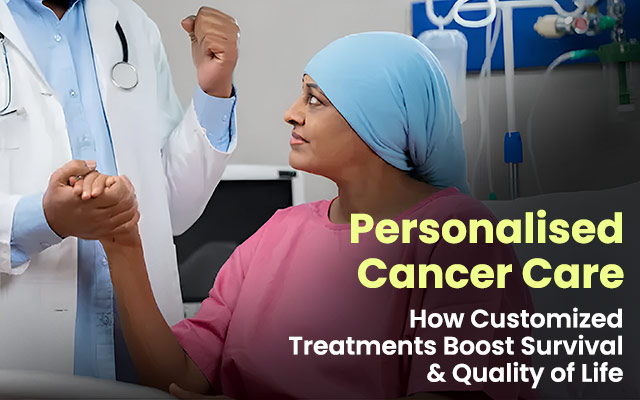
No two people—and no two cancers—are ever the same. Some respond quickly to treatment, while others don’t. The difference often lies in what modern medicine calls personalised cancer care.
Today, cancer treatment is no longer a fixed path. It’s evolving into a tailored journey—one that focuses on your unique genes, lifestyle, and body. With the help of science and technology, doctors now deliver customised cancer treatments that improve both survival and quality of life.
What Is Personalised Cancer Care?
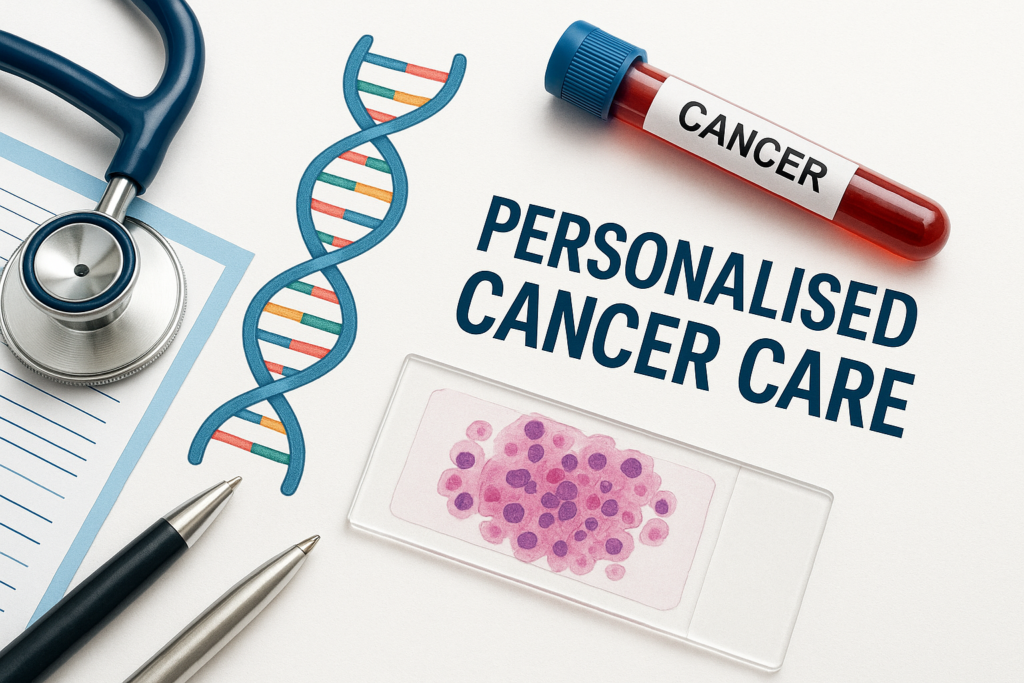
Moving Beyond One-Size-Fits-All Treatments
For years, cancer treatment followed a standard pattern—chemotherapy, radiation, or surgery. Everyone received almost the same plan.
Now, oncologists know that every cancer behaves differently. One person’s tumour may grow fast, another’s may respond better to specific drugs.
Personalised cancer care adapts treatment to your cancer’s biology, not the other way around. It focuses on what works best for you.
The Role of Genetics, Lifestyle, and Environment
Your genes, habits, and surroundings shape how cancer develops and reacts to therapy. Doctors now study this connection carefully—your DNA, diet, activity, stress, and even exposure to pollutants matter.
This approach, known as precision oncology, utilises all this data to plan the most effective treatment at the optimal time for each patient.
Precision Radiation Therapy — Targeted Healing with Fewer Side Effects
Radiation therapy is one of the most powerful tools in personalised cancer care, and under Dr Mukti Mukherjee’s expertise, it becomes a precise, patient-centred treatment.
Using technologies like IMRT (Intensity-Modulated Radiation Therapy) and IGRT (Image-Guided Radiation Therapy), every radiation plan is customised to match the tumour’s exact shape, size, and location.
This precision ensures maximum cancer control with minimal impact on nearby healthy tissues, greatly reducing fatigue, skin reactions, and long-term organ damage. For patients with breast, head and neck, prostate, or brain cancers, such personalised radiation significantly boosts survival while preserving speech, swallowing, and overall comfort.
By combining science with empathy, radiation therapy at Dr Mukherjee’s centre focuses not just on curing cancer—but on maintaining quality of life throughout and beyond treatment.
Genomic Profiling — Unlocking the DNA of Cancer
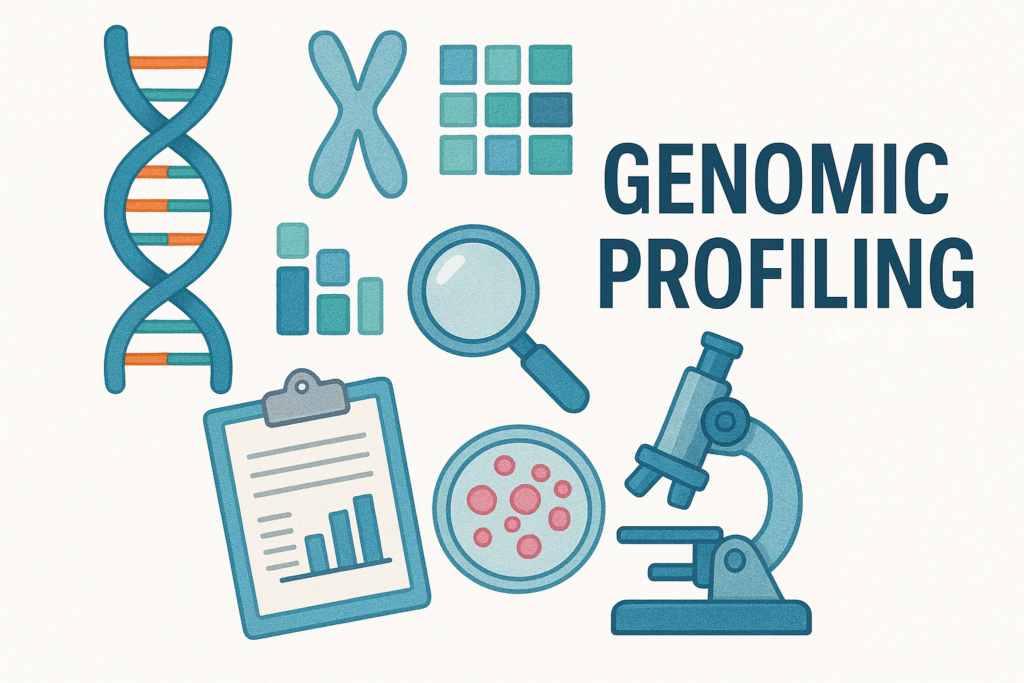
How Genetic Testing Guides Therapy Choices
In genomic profiling of cancer, doctors study a tumour’s genetic code to identify mutations that drive its growth. These insights help choose treatments that directly target those genetic errors. For example, a patient with an EGFR mutation in lung cancer can receive drugs designed only for that change, leading to better results and fewer side effects.
Matching Treatments to Tumour Mutations
The goal is simple: match therapy to mutation. In breast cancer, HER2-positive tumours respond best to HER2-targeted drugs. In ovarian cancer, BRCA mutations often respond to PARP inhibitors.
This process makes treatment precise, effective, and personalised. Many patients under the care of a skilled cancer doctor in Kolkata are already benefiting from such genomic-based plans.
| Common Mutation | Targeted Treatment | Example Cancer Type | Expected Benefit |
| EGFR mutation | EGFR inhibitors | Lung cancer | Better control, fewer side effects |
| HER2 amplification | HER2 blockers | Breast cancer | Improved survival |
| BRCA mutation | PARP inhibitors | Ovarian/breast cancer | Higher response rate |
Targeted Therapies That Hit the Right Cells
Minimising Damage to Healthy Tissues
Targeted cancer therapy focuses on only abnormal cancer cells, thereby sparing healthy tissues. That means fewer side effects, such as hair loss or fatigue, and a better daily life during treatment.
Success Stories in Breast, Lung, and Blood Cancers
- In breast cancer, HER2-targeted therapy has changed survival outcomes.
- In chronic myeloid leukaemia, targeted drugs like imatinib turned a once-fatal disease into a manageable condition.
- In lung cancer, medicines targeting EGFR (Epidermal Growth Factor Receptor) or ALK (Anaplastic Lymphoma Kinase) mutations have doubled the survival rate in some patients.
These examples show how patient-centred oncology care gives hope through precision and compassion.
Immunotherapy with a Personal Touch
Harnessing the Immune System for Each Patient
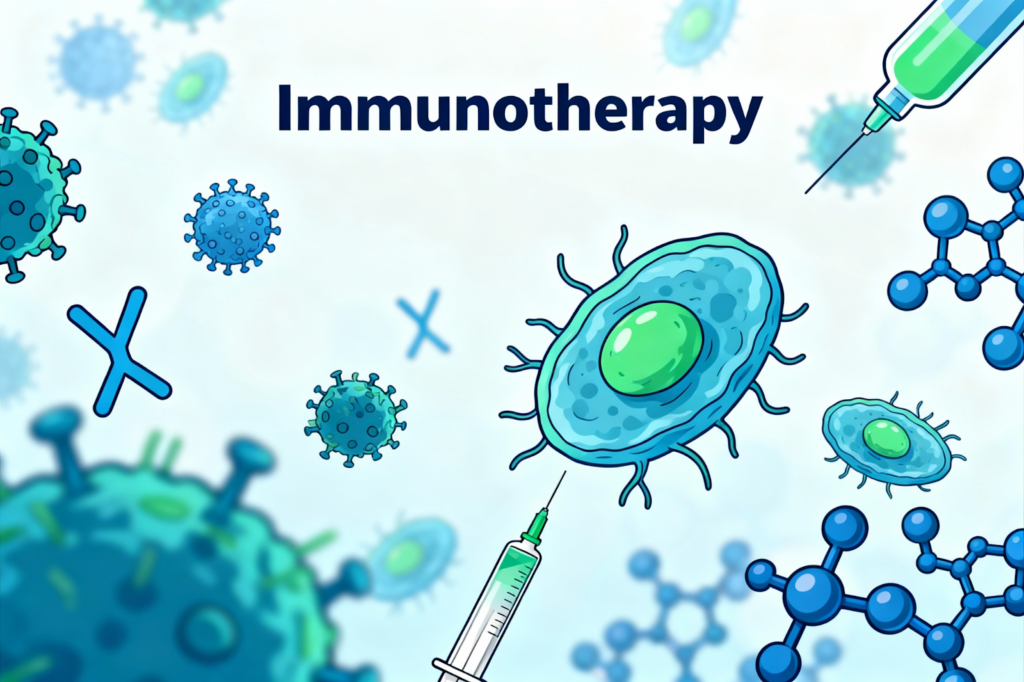
Immunotherapy helps the body fight cancer from within. But it doesn’t work the same for everyone.
Doctors personalise it by checking biomarkers such as PD-L1 or MSI-H, which indicate whether the immune system will respond well.
When chosen correctly, this therapy can bring long-lasting remission with minimal side effects.
CAR T-Cell Therapy as a Customised Approach
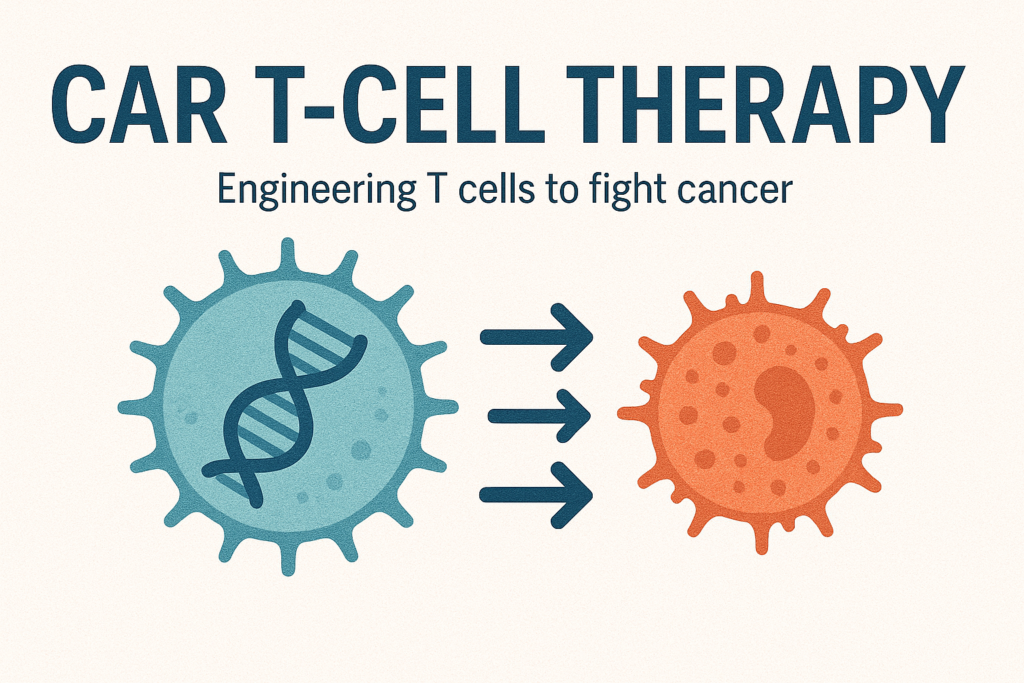
CAR T-cell therapy goes a step further. Doctors take a patient’s own immune cells, engineer them to attack cancer, and infuse them back.
It’s truly personalised—your own cells become your medicine. This therapy has already helped many patients with blood cancers achieve remarkable recoveries.
Technology That Makes Personalisation Possible
AI and Machine Learning in Treatment Planning
AI in cancer treatment planning, combined with machine learning, is making waves in personalised cancer care.
They analyse thousands of data points—from scans to genes—to predict what treatment gives the best outcome. This technology enables oncologists to make informed, confident decisions tailored to each patient’s unique profile.
Combining Data from Labs, Imaging, and Patient History
Modern oncology integrates laboratory reports, radiology scans, pathology results, and health records into a single system. It provides doctors with a comprehensive view of the patient, enabling them to plan personalised, evidence-based cancer treatments suitable for each individual.
At every step, your cancer doctor in Kolkata uses this combined knowledge to guide your care.
The Future of Personalised Oncology
Expanding Access to Precision Medicine
In the past, these advanced treatments were available only in top global centres. Now, thanks to new technologies, genomic testing and precision oncology are reaching more hospitals in India, including Kolkata.
This means patients no longer need to travel far to access world-class cancer care.
What Patients Can Expect in the Next Decade
The future of personalised oncology looks bright:
- Liquid biopsies to track tumours through blood samples.
- AI tools that suggest real-time treatment updates.
- More targeted drugs for rare genetic mutations.
- Broader access to immunotherapy personalisation.
These innovations bring hope to millions worldwide.
A New Era of Hope in Cancer Care
Personalised cancer care has redefined what it means to fight cancer. It combines science with empathy, transforming fear into confidence.
If you or a loved one is seeking expert guidance, reach out to an experienced cancer doctor in Kolkata, such as Dr Mukti Mukherjee.
With advanced diagnostics, genomic insights, and a compassionate approach, every treatment is crafted to give you more than just time—it gives you life with quality and dignity.
Book a consultation today, because your cancer is unique, your treatment should be too.
People Also Ask
What makes personalised cancer care different from regular treatment?
Personalised cancer care focuses on each patient’s genetic, physical, and emotional profile. Traditional care treats cancers of the same type uniformly; personalised care does not.
Is personalised cancer care available in India?
Yes. Leading hospitals and specialists now utilise genomic testing, targeted therapies, and AI tools to design personalised treatments. A skilled cancer doctor in Kolkata can provide these advanced options.
Is it expensive?
Costs depend on tests and drugs used, but prices are decreasing as technologies become more accessible. In many cases, personalised therapy reduces long-term costs by avoiding ineffective treatments.
Who can benefit the most?
Patients with advanced or hard-to-treat cancers benefit most, but even early-stage patients gain from knowing which therapies their tumour will best respond to.
Does personalised care improve survival?
Yes. Studies show higher response rates, longer remission periods, and fewer side effects with personalised cancer care, improving both survival and day-to-day well-being.