
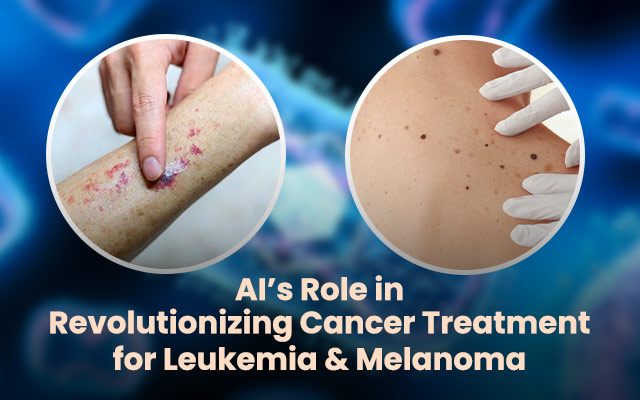
Cancer treatment has undergone more significant changes in the last decade than in the previous fifty years, and a substantial part of that shift is attributed to artificial intelligence. From analysing scans and genetic data to predicting how a tumour will respond to therapy, AI in cancer treatment 2025 is turning what once seemed impossible into everyday reality.
For patients with leukaemia and melanoma, this progress is especially exciting. These cancers demand precision, speed, and personalised care — exactly what AI does best.
In this blog, we’ll explore how artificial intelligence in oncology is transforming diagnosis, treatment, and outcomes. We will also discuss why visiting Dr Mukti Mukherjee, a trusted cancer doctor in Kolkata who embraces these innovations, could make all the difference.
How AI is Changing the Way We See Cancer
Cancer is a complex disease, and every patient’s condition can be unique. Traditional treatments often follow a general approach, but AI helps make cancer care more personalised.
AI systems can study thousands of medical records, test results, and scans within seconds. They look for hidden patterns that humans may miss. For leukaemia and melanoma, this means faster diagnosis, better treatment planning, and higher chances of success.
Understanding Leukaemia and Melanoma
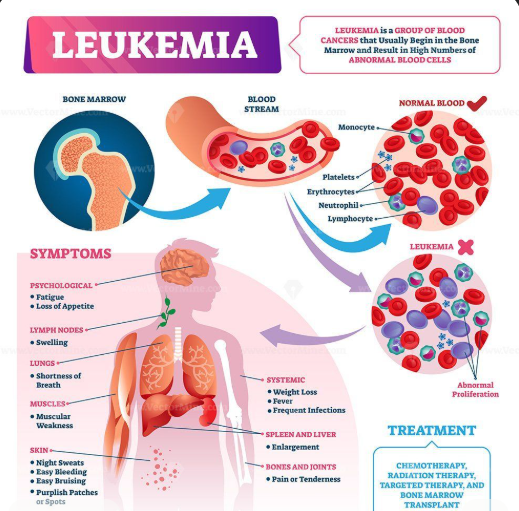
Leukaemia is a cancer of the blood and bone marrow. It affects how the body produces white blood cells. Detecting it early and choosing the right treatment can be life-saving.
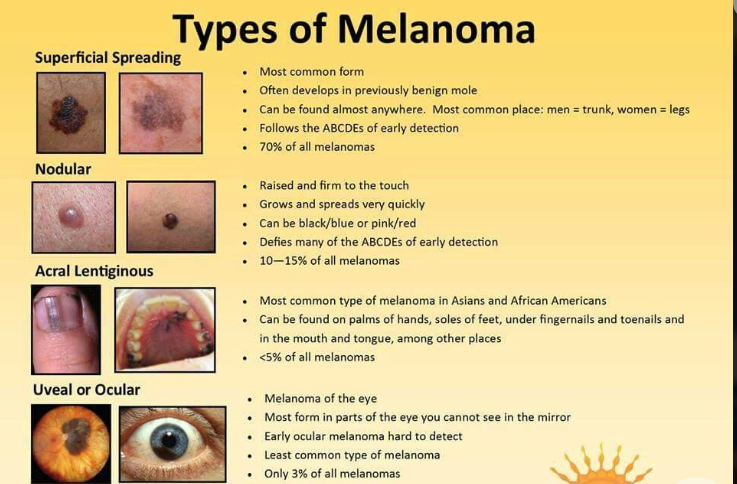
Melanoma, on the other hand, is a type of skin cancer that develops in pigment-producing cells. It spreads quickly if not caught early. That’s why early detection of melanoma AI systems is becoming so important.
Both types of cancer greatly benefit from precision, which is why AI tools are being increasingly integrated into diagnosis and care.
How AI Helps in Leukaemia Care
Smarter and Faster Diagnosis
AI models can scan through blood test reports and microscopic images to detect abnormal cells. This process, known as Leukaemia AI diagnosis, helps doctors spot cancer earlier — often before symptoms get serious.
It also reduces the chance of human error. Machines don’t get tired or overlook details in slides. That means quicker and more reliable results for patients.
Personalised Treatment
No two leukaemia patients are exactly alike. AI analyses each person’s genetic information to help doctors choose the best medicines. This is called precision medicine for cancer — a treatment plan designed specifically for your body and your cancer type.
This approach not only improves results but also reduces side effects. It’s the future of personalised treatment for leukaemia.
Tracking Recovery and Relapse
After treatment, AI tools monitor blood test data to spot even the smallest signs of cancer returning. Detecting relapse early gives doctors time to adjust therapy before the disease progresses.
This is where machine learning in cancer care proves its worth — it learns from every patient’s data and keeps improving over time.
How AI Is Helping in Melanoma Detection and Treatment
Detecting Melanoma Early
AI has become a strong partner for dermatologists. By studying thousands of skin images, AI can identify which moles or spots look suspicious.
This process, known as melanoma detection with AI, helps detect the disease early — when it’s most easily treated. Some AI tools are already as accurate as trained skin specialists in detecting early-stage melanoma.
Guiding Treatment Decisions
Once melanoma is diagnosed, AI helps decide which treatment might work best. It analyses tumour data, immune response, and patient history to predict how well someone will respond to immunotherapy or other drugs.
This saves time and helps doctors make confident, evidence-based decisions.
Discovering New Medicines
AI is also accelerating the process of discovering new cancer drugs. What used to take years in research labs can now be accomplished in months. Through AI drug discovery oncology, scientists are testing new compounds on computer models before moving to human trials — saving both time and cost.
Main advantages of AI in cancer care
Here’s a quick comparison:
| Benefit | In Leukaemia | In Melanoma |
| Early Detection | Identifies abnormal cells faster | Detects cancerous moles early |
| Precision | Customises drugs for each patient | Predicts treatment response |
| Speed | Quick lab result interpretation | Fast image screening |
| Monitoring | Tracks relapse risk | Tracks therapy progress |
| Drug discovery | Finds new drug combinations | Design targeted therapies |
What’s New in AI in Cancer Treatment 2025
Researchers worldwide are finding new ways to combine data, biology, and AI:
- Artificial Intelligence in oncology is now used to plan radiation therapy and predict how tumours will respond to different treatments.
- AI models can analyse patient scans and blood tests together, offering a more complete view of the disease.
- Tools for precision medicine cancer are growing more common in major hospitals. They use genetic information to select the most effective drugs for each patient.
- AI-powered clinical trials are helping doctors match patients with the right research studies faster.
These developments are slowly becoming part of everyday cancer care, including for patients who visit a cancer doctor in Kolkata.
Challenges Ahead
Every new technology comes with its own set of challenges. AI is powerful, but it still depends on high-quality data. If the data is limited or biased, predictions can be less accurate.
Another challenge is that AI systems sometimes work like a “black box.” They give results without explaining why. Doctors must still use their experience and judgment before acting on AI recommendations.
And of course, patient data privacy must always be protected. Hospitals are learning to use AI safely, ensuring the secure storage of personal information.
What This Means for Patients in Kolkata
If you’re looking for a cancer doctor in Kolkata, you’re no longer limited by old-school methods. Many cancer specialists now use AI tools for faster diagnosis and more accurate treatment planning.
AI helps local hospitals stay at the cutting edge of cancer care. It means that patients in India can access the same advanced methods used in major cancer centres abroad.
For families and caregivers, that translates into peace of mind — knowing that their loved one’s treatment is supported by both medical expertise and smart technology.
The Future of AI in Cancer Care
The future of AI in cancer treatment looks even brighter. Here’s what’s next:
- AI systems that can connect genetic data, imaging scans, and lifestyle factors to create a 360-degree view of each patient.
- Smarter models that can continually learn from every new patient record while protecting patient privacy.
- AI that helps design new drugs faster and tailor them to specific cancer mutations.
- Wider access to machine learning in cancer care across hospitals in India.
We’re moving towards a time when cancer care is faster, more accurate, and more personalised than ever before.
Final Thoughts
AI is changing how doctors understand and treat cancer. From leukaemia AI diagnosis to melanoma detection with AI, technology is helping oncologists provide the right care at the right time.
For patients, this means earlier detection, fewer side effects, and better results. For those seeking a cancer doctor in Kolkata, this means access to care that’s smarter, faster, and truly world-class.
People Also Ask
Q1. How is AI helping in cancer treatment?
AI studies data from scans, tests, and genetics to find patterns. It helps doctors detect cancer early, choose more effective treatments, and track progress.
Q2. Is AI accurate in detecting cancer?
Yes. AI tools have demonstrated very high accuracy, particularly in identifying skin cancers, such as melanoma, and blood cancers, like leukaemia.
Q3. Will AI replace oncologists?
No. AI supports doctors by giving them better insights. Human judgment and care remain essential.
Q4. When will AI be widely adopted in all hospitals?
Many major hospitals are already using AI in diagnosis and treatment planning. It’s expected to become common in most cancer centres within a few years.
Q5. Can AI help develop new cancer drugs?
Yes. Through AI drug discovery oncology, scientists can find and test new medicines faster and more safely.