
Pediatric Cancer
Dr. Mukti Mukherjee
[12+ Years Experience]
Radiation Oncologist In Kolkata
Home / Treatments / Pediatric Cancer
Pediatric Cancer Doctor in Kolkata
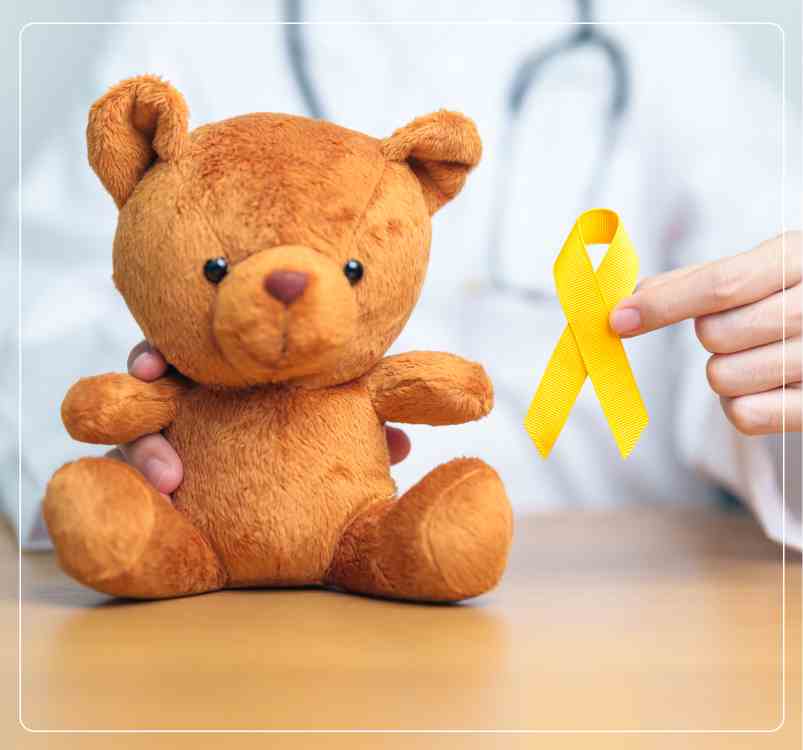
Pediatric cancer, also known as childhood cancer, refers to cancers diagnosed in children under 15 years. These cancers differ from adult cancers in their causes, progression, and treatment. These complex diseases impact young patients' developing bodies and require extensive medical approaches. Advances in medical technology, especially pediatric cancer treatment in Kolkata, offer hope and high survival rates with timely intervention.
Types of Pediatric Cancer

Brain tumors
Cancers that develop in the brain or spinal cord.
- Medulloblastoma
- Ependymoma
- Pontine glioma
- Pilocytic astrocytoma
Retinoblastoma
A common childhood eye cancer developing in the retina, the light-sensitive layer at the back of the eye.
Neuroblastoma
A type of cancer that develops in nerve tissue, often in the adrenal glands.
Wilms tumor
A type of kidney cancer that primarily affects young children.
Hematological Malignancy
Originates in the blood-forming tissues and affects the bone marrow and blood/immune system cells.
- Leukemia Cancer of the blood-forming tissues
Bone & soft tissue
Rare tumors that develop in a child's bones, muscles, tendons, or other connective tissues.
- Rhabdomyosarcoma
- Ewing’s Sarcoma
- Osteosarcoma
Testicular Tumor
Testicular tumors are abnormal growths that can occur in a child's testicles, which can be benign (non-cancerous) to malignant (cancerous). These tumors can affect boys of all ages, with different types being more common in younger children or after the onset of puberty.
What Patients Say
Hear from our patients about their experience, care, and recovery journey.
Dr.Mukti Mukherjee(Radiation Oncology) was very kind, attentive and friendly. She listened carefully, answered all my questions, gave me guidance like a friend and made me feel at ease throughout my visit. I've never felt more comfortable. Highly recommend her!!
Dr.Mukti Mukherjee(Radiation Oncology) was incredibly kind and attentive. She listened carefully, answered all my questions, and made me feel at ease throughout my visit. I've never felt more comfortable discussing my health concerns. Highly recommend! Thank You.
Dr.Mukti Mukherjee is a very good and helpful.I pray to God bless her life.Go ahead achive your goal
I am fully satisfied with process of treatment, caring behaviour & patience to hear patients with smiling face. Dr. Mukti Mukherjee is really a good Doctor.
Mukti mam onk onk valo akjon doctor.ami amar jibona arokom doctor onk kom dakhachi uni ato valo ja amar lakhar vasa nai..amar maa ar liver cancer amadar k akjon doctor unar kacha refere kora ami jokon una k first dakhi khota boli ami to obak j arokom o doctor hoi uni ato help korachan amadar k onka k hajar bar thanks bollaw kom hoba. uni amar maa k onk mentally support korachan. ami jokoni phn kori uni khota bolan. amar maa ar ja osubida hoi uni sob sonan abon better jata hoi uni jatai koran. Thanks mam
Reach out: Your path to quality care starts here

58, Canal Circular Rd, Kadapara, Phool Bagan, Kakurgachi,
Kolkata - 700054
Let’s Talk
Symptoms
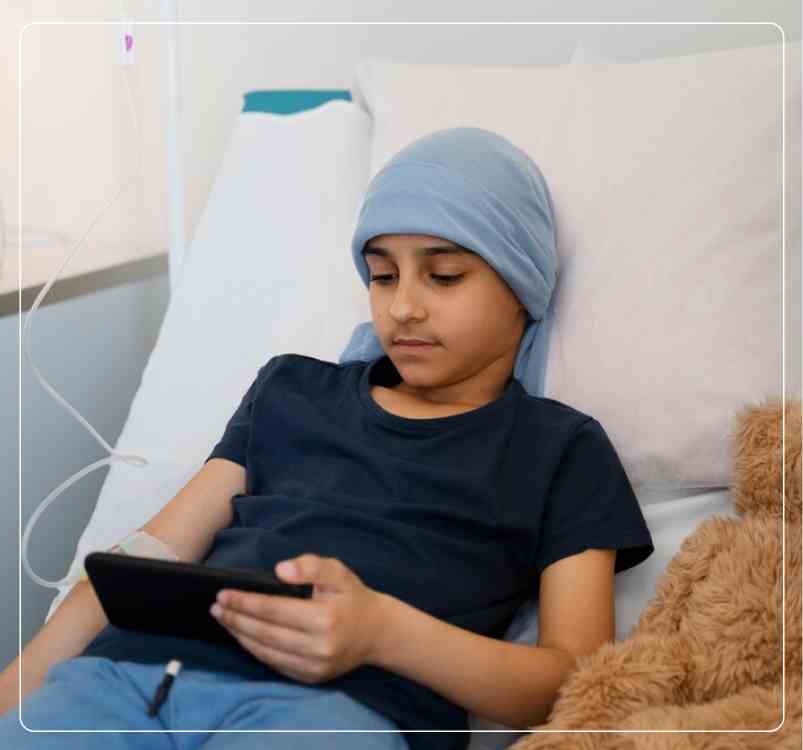
The symptoms of pediatric cancer vary greatly depending on the type and location of the cancer. Some general warning signs include:
Hematological malignancy: Fever, Unusual bruising, Bleeding, Swollen lymph nodes
Bone & soft tissue: Bone pain and swelling (anywhere in the body)
Wilms tumor: Abdominal swelling
Retinoblastoma: Blindness
Brain: Headache, vomiting, visual disturbance, walking difficulties
Constant tiredness
Weight loss
Loss of appetite
Causes
The precise etiology of most pediatric cancers remains elusive. However, a single or a combination of the below factors may contribute to their development.

Genetic mutation

Unknown
Evaluation
Physical examination
Medical history
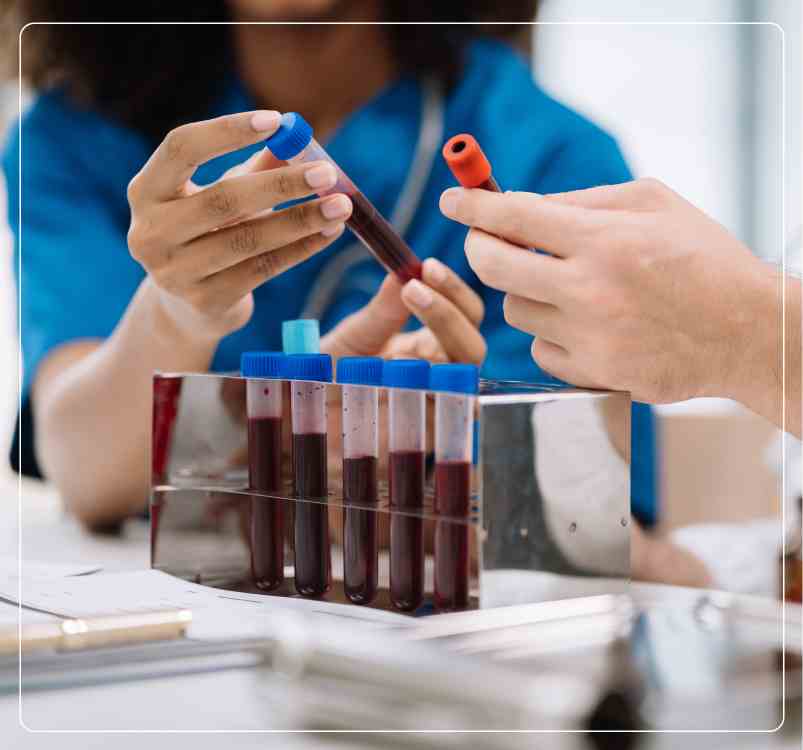
Blood tests
Imaging tests (X-ray, CT scan, MRI)
Biopsy
Management
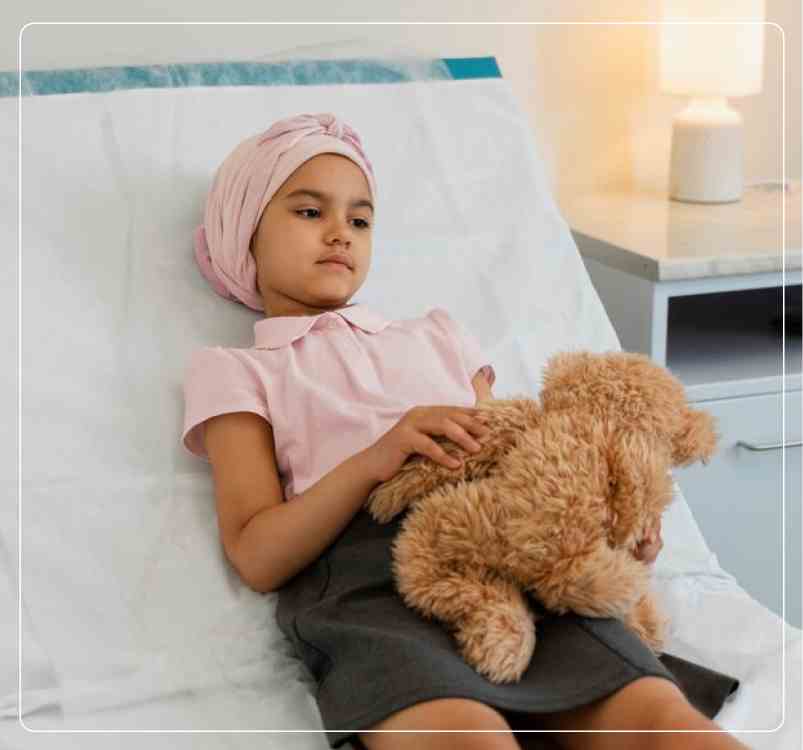
Pediatric cancer treatment often involves a multidisciplinary approach. After thoroughly evaluating the patient's health, the cancer condition, and the spread area, the doctor will decide on a suitable course of action. The primary treatments for pediatric cancer are:
- Surgery
- Chemotherapy
- Radiation Therapy
- Immunotherapy


Frequently Asked Questions
Is radiation therapy safe for children?
Yes, modern techniques ensure targeted therapy with minimal harm to healthy tissues.
Can childhood cancer be prevented?
While many cases of childhood cancer cannot be prevented, maintaining a healthy lifestyle, including a balanced diet and regular exercise, may help reduce the risk.
What's the long-term outlook for pediatric cancer survivors?
The long-term outlook for pediatric cancer survivors has significantly improved in recent years. However, some survivors may experience late effects of treatment, such as an increased risk of certain health problems later in life.
How long does radiation therapy typically last?
Radiation oncology treatment duration depends on several factors, such as the cancer stage, size, and patient's health. However, depending on individual cases, it typically ranges from 3-8 weeks.
Can childhood cancers be only hereditary?
Some cancers may have genetic links, but most occur without family history.