
Gastrointestinal Cancer
Dr. Mukti Mukherjee
[12+ Years Experience]
Radiation Oncologist In Kolkata
Home / Treatments / Gastrointestinal Cancer
Gastrointestinal Cancer Doctor in Kolkata
Gastrointestinal cancer is a group of malignancies that affect the digestive system. These cancers can develop in various organs, including the esophagus, stomach, pancreas, rectum, and anal region. These cancers are serious but treatable, especially when diagnosed early. Each type comes with unique challenges and requires specialized medical intervention.
If you or someone you know is experiencing symptoms of GI cancer, it's important to see a doctor for timely diagnosis and treatment. Treatments like radiation therapy offer promising results, especially under expert care.
Visit Dr. Mukti Mukherjee's clinic in Kolkata for effective and compassionate gastrointestinal cancer radiation therapy.
Types of Gastrointestinal Cancer

Esophageal Cancer
Affects the food tube's cellular structure that connects the throat to the stomach. Often detected late, it requires immediate medical attention.
Stomach Cancer
Also called gastric cancer, it develops in the stomach lining. Early symptoms include indigestion and sudden weight loss.
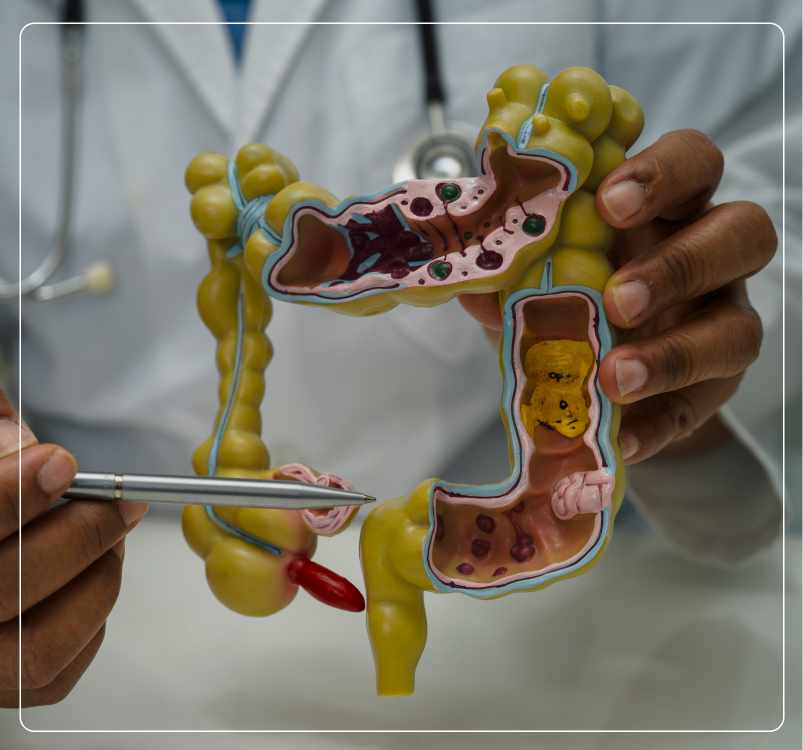
Colon Cancer
Cancer that begins in the large intestine (colon), interrupts bowel habits and blood in stool.
Rectal Cancer
Affects the lower part of the large intestine. Symptoms include changes in bowel habits and rectal bleeding.
Anal Cancer
A rare type of cancer that develops in the anus, the opening at the end of the digestive tract, cousin anal itching or lumps near anus.
What Patients Say
Hear from our patients about their experience, care, and recovery journey.
Dr.Mukti Mukherjee(Radiation Oncology) was very kind, attentive and friendly. She listened carefully, answered all my questions, gave me guidance like a friend and made me feel at ease throughout my visit. I've never felt more comfortable. Highly recommend her!!
Dr.Mukti Mukherjee(Radiation Oncology) was incredibly kind and attentive. She listened carefully, answered all my questions, and made me feel at ease throughout my visit. I've never felt more comfortable discussing my health concerns. Highly recommend! Thank You.
Dr.Mukti Mukherjee is a very good and helpful.I pray to God bless her life.Go ahead achive your goal
I am fully satisfied with process of treatment, caring behaviour & patience to hear patients with smiling face. Dr. Mukti Mukherjee is really a good Doctor.
Mukti mam onk onk valo akjon doctor.ami amar jibona arokom doctor onk kom dakhachi uni ato valo ja amar lakhar vasa nai..amar maa ar liver cancer amadar k akjon doctor unar kacha refere kora ami jokon una k first dakhi khota boli ami to obak j arokom o doctor hoi uni ato help korachan amadar k onka k hajar bar thanks bollaw kom hoba. uni amar maa k onk mentally support korachan. ami jokoni phn kori uni khota bolan. amar maa ar ja osubida hoi uni sob sonan abon better jata hoi uni jatai koran. Thanks mam
Reach out: Your path to quality care starts here

58, Canal Circular Rd, Kadapara, Phool Bagan, Kakurgachi,
Kolkata - 700054
Let’s Talk
Symptoms
Symptoms of GI cancer can vary depending on the type and area affected. Common symptoms may include:
Changes in bowel or bladder habits
Unexplained weight loss
Fatigue
Vomit with blood
Chronic pain abdomen
Intense abdominal pain or discomfort
Persistent indigestion or heartburn
Narrow or blood in the stool
Nausea
Loss of appetite or fullness
Frequent gas pains, bloating, or cramps
If you experience these symptoms, you can consult Dr. Mukti Mukherjee for immediate medical advice.

Causes

Advanced age

Processed food consumption

Heavy alcohol consumption

Smoking & tobacco usage

Underlying conditions (GERD, H. pylori infection, hepatitis B/C, or liver cirrhosis)

Genetic disorders (FAP, Lynch syndrome, HDGC, or GAPPS)

Exposure to chemicals (i.e, inorganic lead compounds, monosodium glutarate)
Evaluation
Since early diagnosis is important to treat GI cancer, opt for regular screenings with Dr. Mukherjee for gastric cancer treatment, especially recommended for high-risk groups. The evaluation process includes:
Endoscopy
CT scans, MRIs, ultrasounds, X-rays, or PET
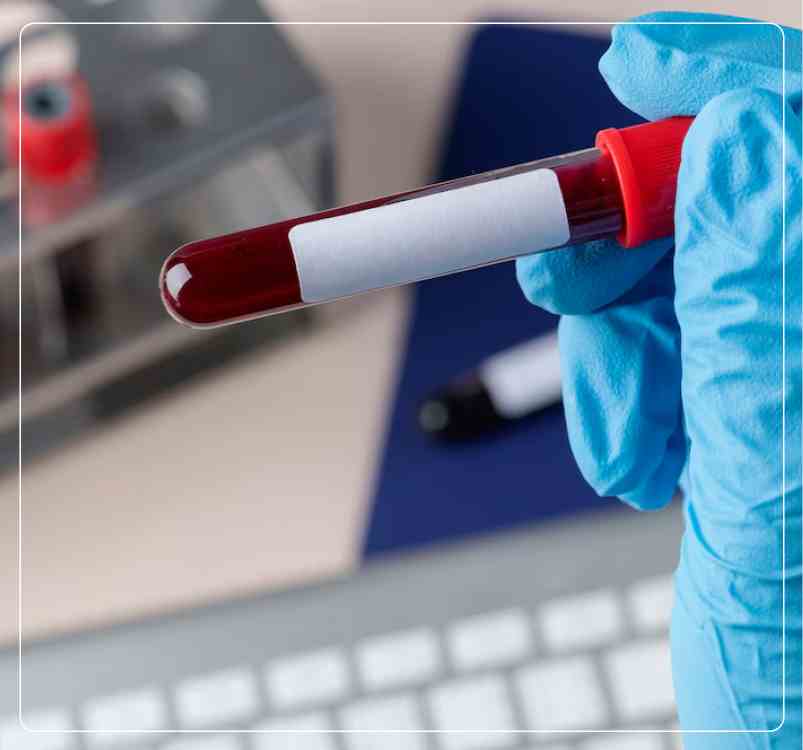
Blood tests (CEA)
Biopsy
Colonoscopy
Endoscopic ultrasound
Management
After thorough evaluation, Dr. Mukti Mukherjee recommends comprehensive treatment including one or a combination of:

The type and stage of the cancer
Tumor location and size
Patient's overall health
Individual genetic factors
After thorough evaluation, Dr. Mukti Mukherjee recommends comprehensive treatment including one or a combination of:
Surgery
Radiation therapy
Chemotherapy
Immunotherapy
Targeted therapies


Frequently Asked Questions
Is gastric cancer hereditary?
Gastric cancer can be hereditary, but it’s uncommon. If you have a family history of gastric cancers, talk to your primary care physician to review the history and determine if there is a need for further testing.
What is life expectancy after radiotherapy?
After radiation treatment, life expectancy varies majorly depending on the type and stage of cancer, as well as your overall health.
Can I still eat normally after esophageal cancer treatment?
Esophageal cancer treatment can significantly impact swallowing function. Depending on the extent of the surgery or radiation therapy, individuals may experience difficulty swallowing, requiring dietary modifications, or using feeding tubes.
Are gastrointestinal cancers linked to viral or bacterial infections?
Yes, some infections like Helicobacter pylori (H. pylori), Hepatitis B and C viruses, or Human papillomavirus (HPV) can increase the risk of gastrointestinal cancer. Consult a doctor if you experience any related symptoms.
Can cancer spread after radiation?
Radiation typically reduces spread risks by accurately targeting and destroying cancer cells. However, you need post-treatment follow-up sessions with your radiation oncologist.